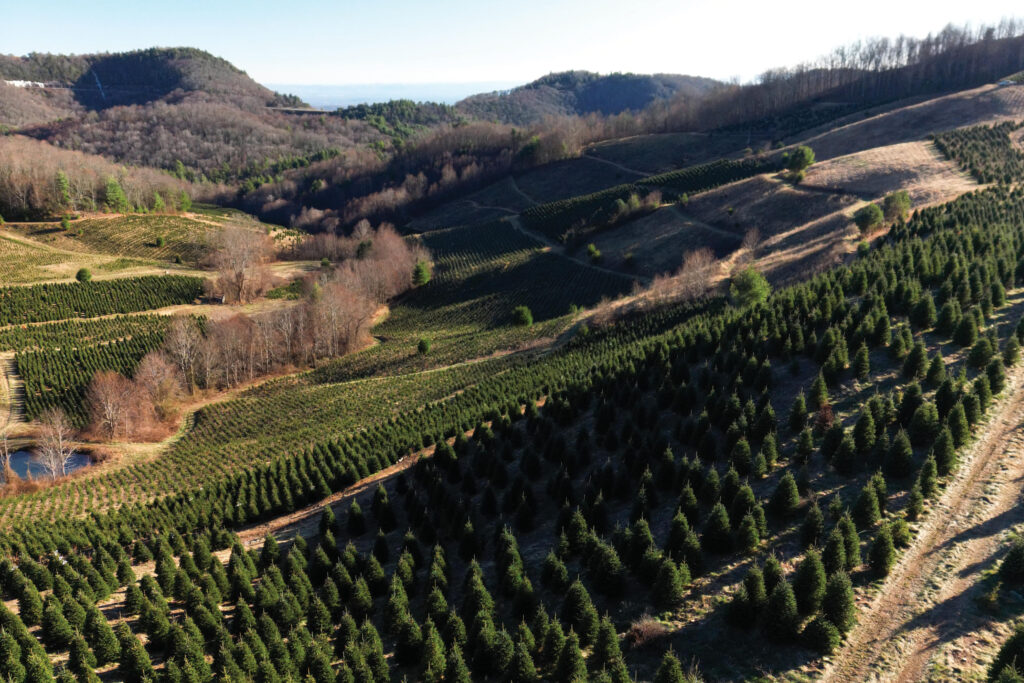
North Carolina is the nation’s second-largest producer of Christmas trees, supplying 25% of the total U.S. crop. But environmental stress, bad weather and invasive pests challenge the industry, so North Carolina Christmas tree research is essential.
For Brad Wishon, a second-generation wholesale tree grower and co-owner of Wishon Evergreens in Sparta, keeping his 1,000 acres of trees healthy becomes a bigger challenge each year. To overcome this, the Wishon family has partnered with NC State University to address issues that affect growers across the state.
“That’s where research comes in,” he says. “It’s an integral part of any profession. Whatever the commodity, you have to invest in research if you want to survive.”
Identifying Issues
In the last year, nearly 25 to 30% of farm land was impacted by Phytophthora, a pathogen that causes root rot, killing trees. This is an increase from 10 years ago, when only 12 to 15% were affected.
Fraser firs have little to no natural resistance to Phytophthora, according to Justin Whitehill, Ph.D., Extension Specialist and Christmas Tree Genetics program lead at NC State University. “We’re looking for other solutions, including identifying species with natural resistance. We’re figuring out how to extract and insert those genes into our trees using molecular biology techniques.”
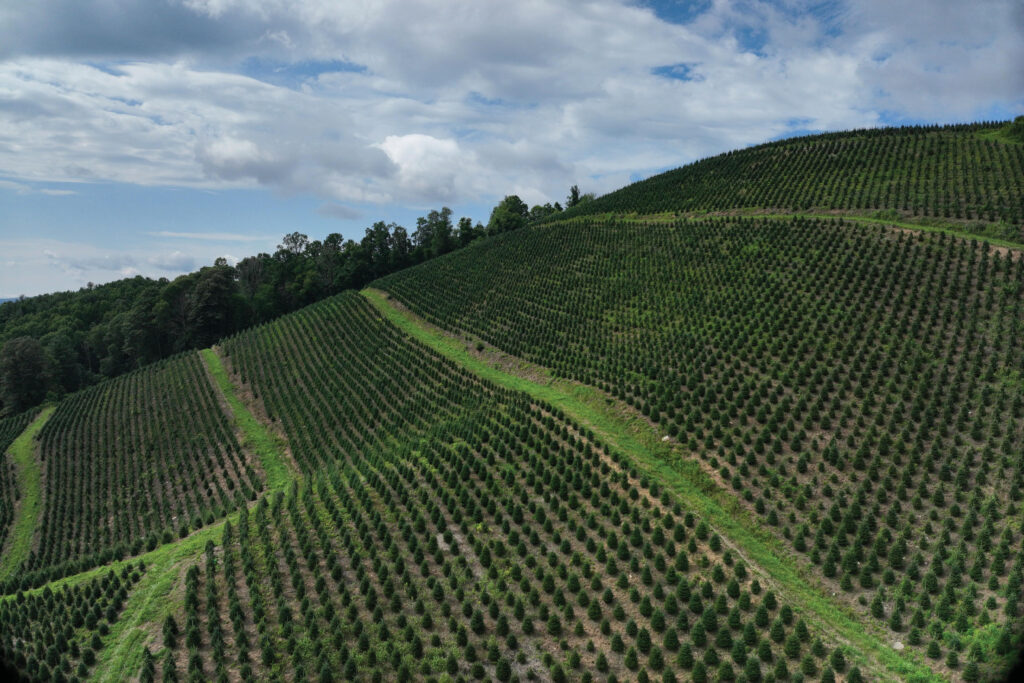
Wishon Evergreens and other growers have felt the impact.
“Once the soil gets infected, the pathogen stays there,” Wishon says. “If you plant a tree in that infected soil, it will not survive.”
The pathogen is also spread by water, compounding the issue.
“Extreme rain events, like Hurricane Helene, can really exacerbate and spread the disease,” he adds.
Breeding Better Trees
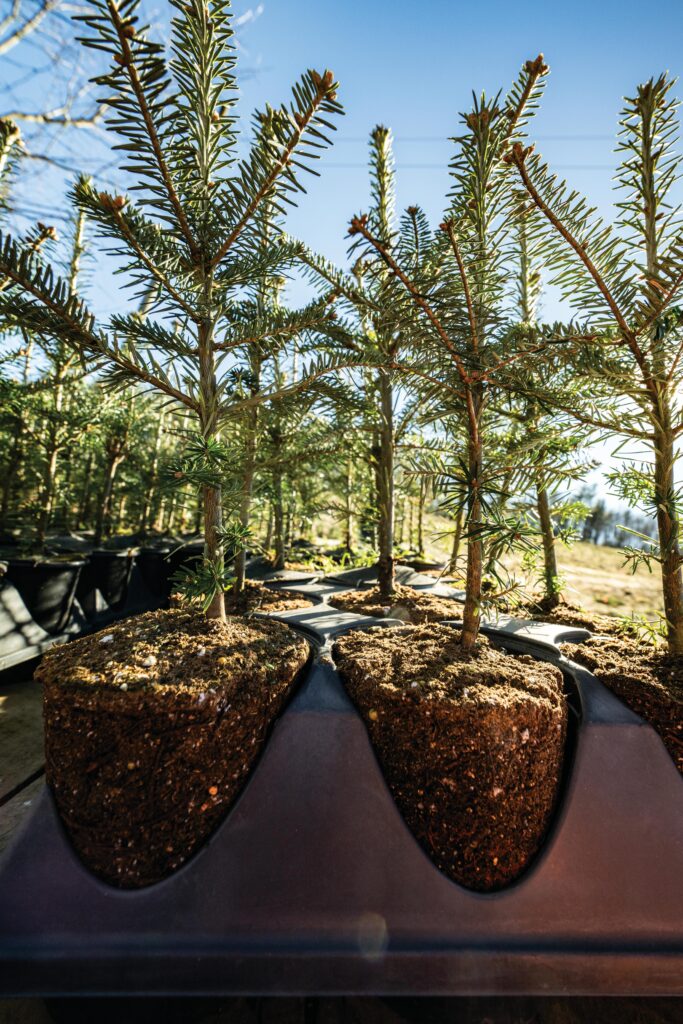
To overcome these challenges, Whitehill leads a team focused on improving tree genetics.
“Our goal is to advance and keep the Christmas tree industry thriving and surviving,” he says. “But breeding trees takes time.”
On average, it takes 20 to 30 years to produce a single generation of genetic improvement in Fraser firs. This is much longer than other crops, like corn, which can see three to nine generations per year. This means corn breeders could move through several hundred generations in the same time it takes Fraser firs to produce one.
“We’ve tested about 40,000 trees from what exists in nature and narrowed them down to the top 25,” Whitehill says. “We’re now getting those trees out to growers in North Carolina through our partnership with the NC Department of Agriculture and the Upper Mountain Research Station in Ashe County.”
Traditional breeding works in three phases: collecting/breeding new genetic material (germplasm), testing in the field and making selections. Whitehill’s team looks for traits like form, growth rate, needle retention, and resistance to environmental stress and disease.
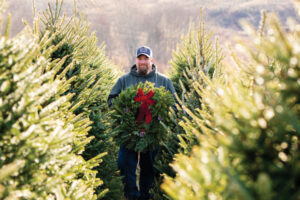
“We’re seeing more pest outbreaks in new areas and increased stress from warmer temperatures and drought,” he explains. “When trees are stressed, they’re more vulnerable. That’s why we need to build resilience into their DNA. Testing takes the longest, and that’s where our growers help us out.”
To support the research, NC State is leading a $7.4 million national initiative called A Gift Seed. The project brings together eight institutions to accelerate fir genetic improvement through sequencing, economics, extension and diagnostics.
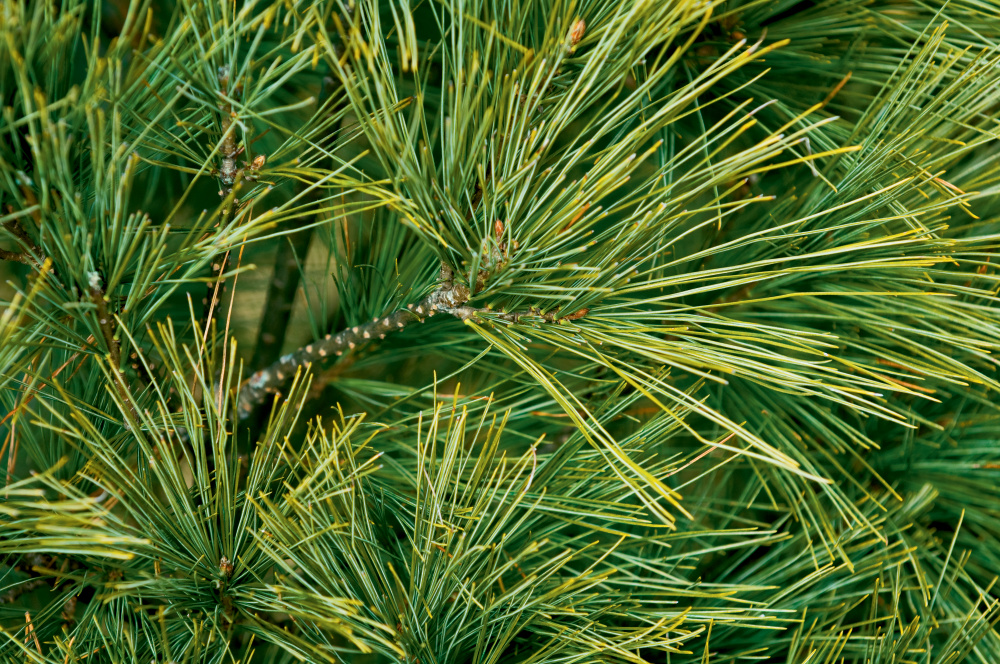
“The program lets us collaborate with faculty nationwide to address major challenges facing Christmas tree growers,” Whitehill says. “At its core, the grant is about accelerating the genetic improvement cycle of these trees.”
Whitehill also emphasizes how crucial federal funding has been to help support U.S. growers and agriculture.
Rewarding North Carolina Christmas Tree Research
Collaboration between producers and university researchers brings many benefits.
“Most growers are actively talking to researchers and other knowledgeable partners,” Wishon says. “This ensures what’s best for our industry, our bottom line, our neighbors and the environment.”
In addition to genetic research, Wishon works with experts to address other challenges. He partners with a weed scientist to study weed growth impacts on tree development and an entomologist to manage invasive pests that complicate tree exports.
“We’ve got five or six different projects either in the works or recently completed,” he notes.
An element of these projects is the use of autonomous drones. Just this year, Wishon has implemented drone technology for surveying fields and applying sprays and fertilizers.
“We’re looking at how drones can replace 12 to 15 people hand-applying fertilizer or pesticides,” he explains. “They allow us to use fewer chemicals, which is better for profitability and the environment. It’s not about taking jobs – it lets us assign people to other tasks that help our business grow.”
Farm
Christmas Tree Tips
Christmas Tree Collaboration
Ongoing field research is critical to the efforts conducted by Whitehill and his team.
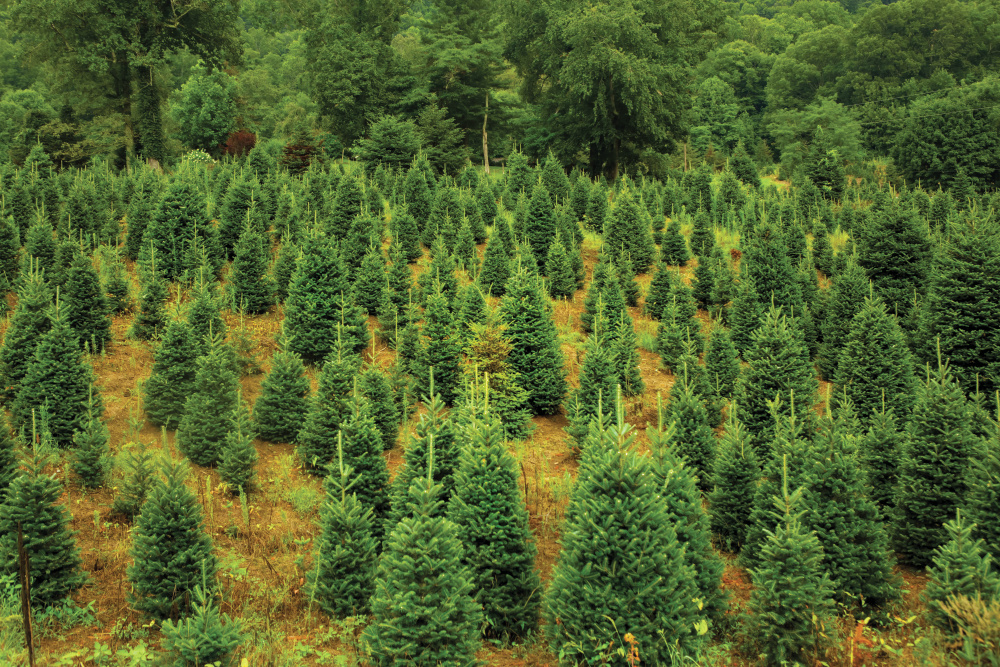
“North Carolina Christmas tree research helps us make decisions in our breeding program,” he says. “In exchange for helping with testing, the growers keep the trees, and we keep the data. I’m incredibly grateful for the growers and our support community – they’re essential partners in this work.”
Wishon agrees and encourages other growers to talk with researchers and share the issues they’re experiencing.
“That helps tailor research toward what producers actually need,” Wishon says. “We rely on each other. If there’s no research, the industry can’t move forward. It’s a symbiotic relationship.”
To learn more about Wishon Evergreens and shop online, visit wishonevergreens.com.