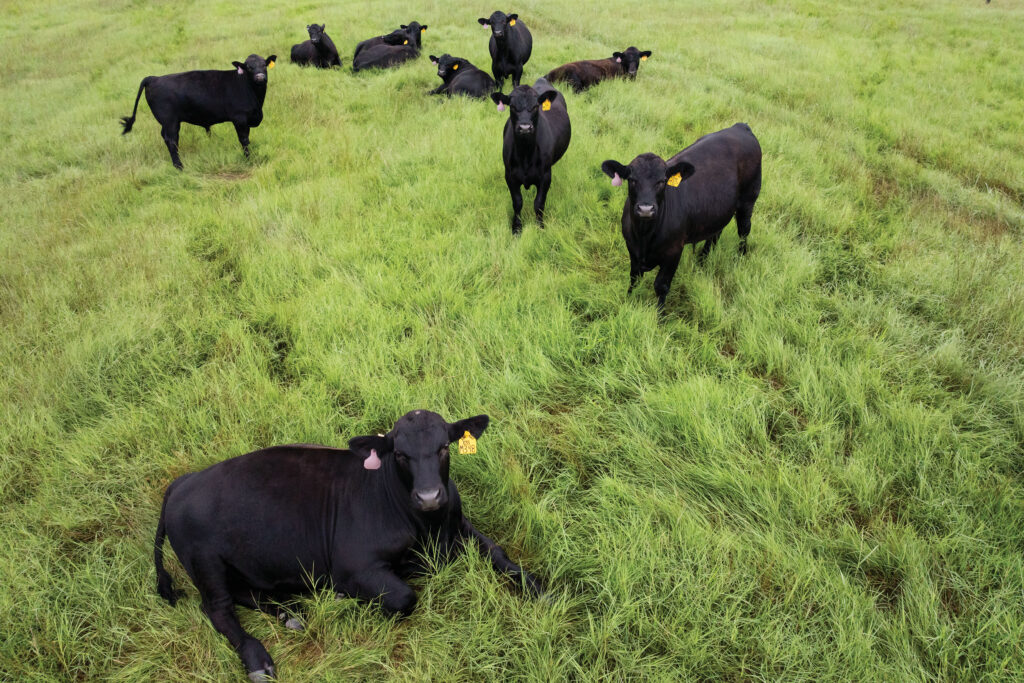
North Carolina beef cattle farmers are redefining the beef industry by bringing international breeds to American tables and raising high-quality, specialty beef.
SimAngus and Wagyu, along with a type of Wagyu known as Akaushi, are among the premium breeds for beef production, known for their tenderness, rich marbling and buttery flavor. Once found only in fine dining restaurants, these premium meats are now being raised right here in the Carolinas.
Read on to learn about three North Carolina farmers who are paving the way, making superior beef more accessible to locals and consumers across the country.
Animals & Livestock
Cattle Connections: How Two North Carolina Farm Families Started Selling Local Beef
Accentuated by the pandemic, the growing trend for local foods presents new opportunities for North Carolina farms to improve profits while meeting demand.Fred Smith Company Ranch
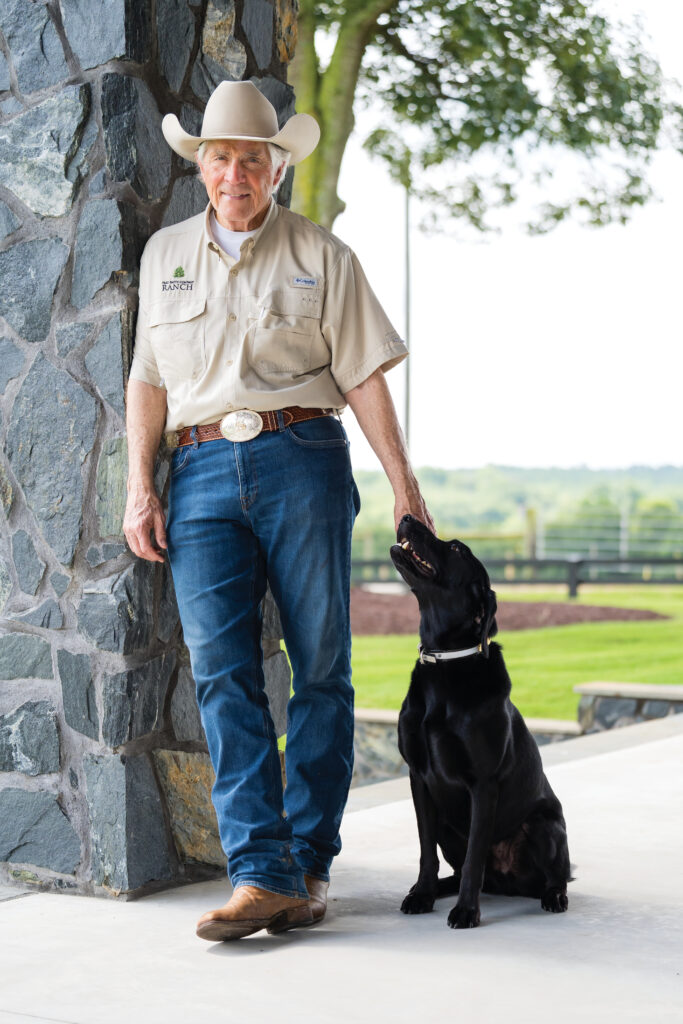
ranch in Johnston County. Photo credit: Justin Kase Conder
Fred Smith has been in the cattle business since 1973 and, in the late ’80s, transitioned his herd to SimAngus. Today, his ranch produces and sells about 100 bulls and 70 females annually, with a strong focus on genetics.
“My operation differs from other cattle farmers, who mostly produce beef for consumers,” says Smith, founder and owner of Fred Smith Company Ranch and FSC Ranch Beef in Clayton. “I’m more interested in genetics, producing superior animals so commercial producers will buy my bulls to breed their cows.”
SimAngus is a cross between Simmental and Angus. Simmental cattle originated in Switzerland and are known for their versatility, while Angus cattle are renowned for marbling. Combining the two creates a superior F1 cross.
“If you came to my ranch and looked at the cattle, you’d think they were Angus,” Smith says. “It’s the genes that make the difference. The genome is important in animal production.”
Fred Smith Company Ranch is the largest SimAngus seedstock producer in North Carolina, South Carolina and Virginia, with 400 production cows and conducting extensive embryo work to capture the best genetics from both male and female.
Animals & Livestock
Farmers Face Challenges Planning the Future of North Carolina Farmland
North Carolina has seen the country’s fourth-largest population gain, and is set to lose 1 million acres of North Carolina farmland by 2040.While Smith’s main focus is selling high-quality cattle meant for breeding, his Pasture to Plate Program offers beef directly to consumers. Known for its marbling and tenderness, SimAngus beef is highly sought by consumers and commercial producers alike.
“Our main mission is to improve the quality of people’s lives,” Smith says. “By helping producers raise better cattle, we help build more profitable and sustainable herds.”
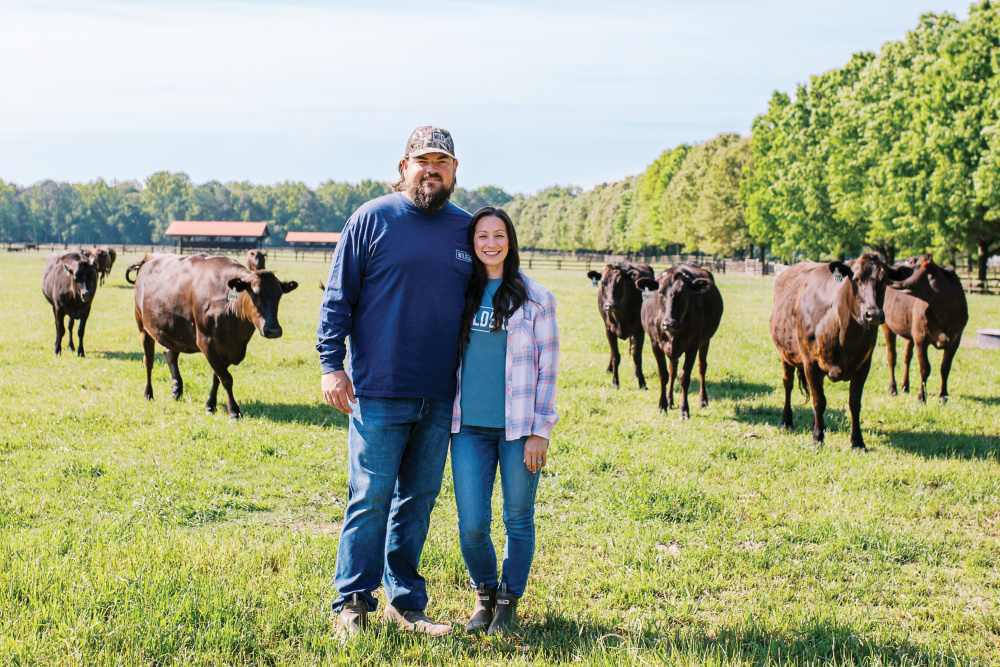
Wilders in Turkey
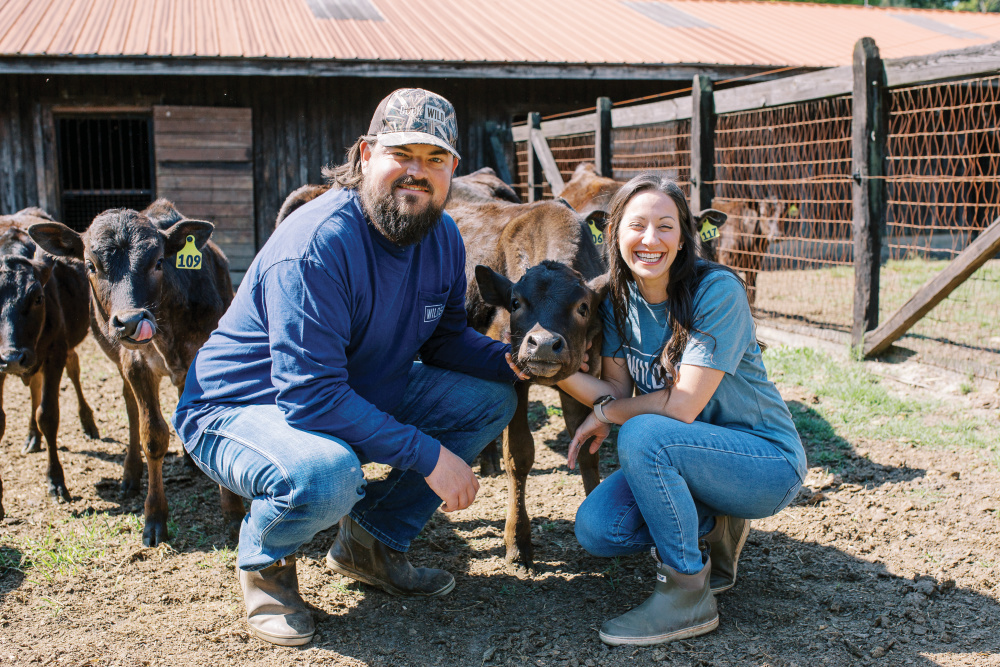
Reid and Jaclyn Smith founded Wilders to raise and sell wagyu beef on 1,300 acres of farmland in Turkey, North Carolina. They chose Japanese cattle for their unique marbling and health benefits, investing in 100% full-blooded wagyu in 2021.
“We made a very concerted decision to choose the wagyu breed,” Jaclyn says. “It felt like an elevated experience. It wasn’t heavily known in the U.S., so we loved the opportunity to educate and be part of the rising desire for wagyu.”
Food
Beef ‘California Roll’ Salad Recipe
Get the flavors of the popular California Roll sushi in this healthy salad.Wagyu have become known for their large amounts of marbling and tender meat. Marbling is the small flecks of white-appearing fat sprinkled throughout a cut of meat; while a healthy fat, it is a primary factor in getting a juicy, flavorful and tender steak.
Wilders focuses on quality control, using an MIJ camera, which is a small, lightweight camera used to evaluate beef carcasses, and a digital marbling percentage of 30% as their minimum standard. This is much higher than traditional choice steaks, which range from 3% to 7%, and prime, which range from 8% to 12%. That’s more than triple the amount of marbling for a Wilders steak versus an average prime steak. Wagyu’s high marbling also provides consumers with many health benefits, including its lower cholesterol and higher omega-3 content.
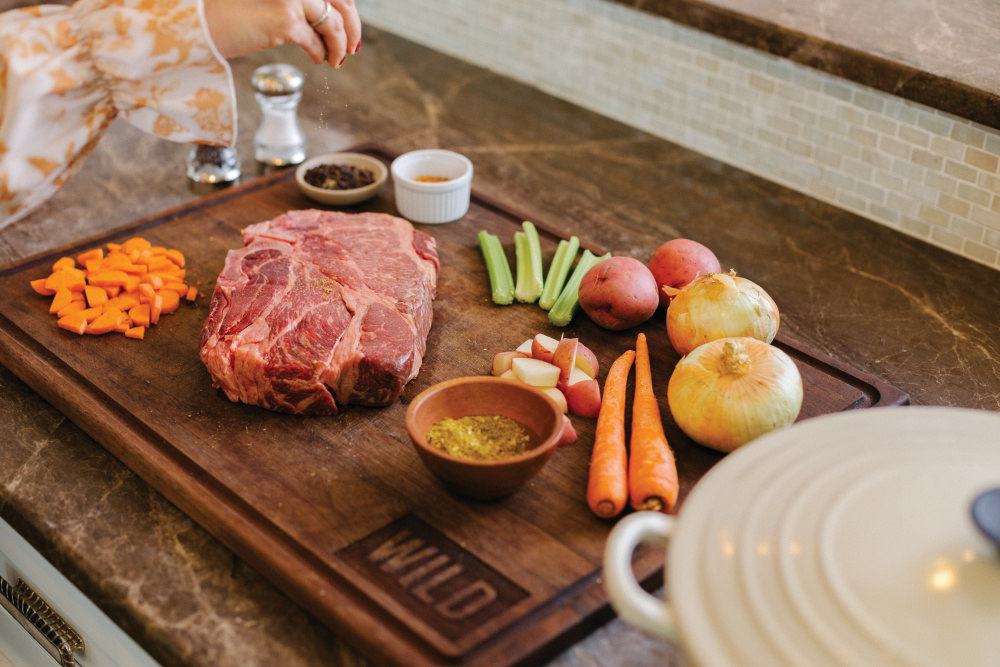
“The hyper marbling is what makes wagyu so special,” Jaclyn explains. “It spiders through the meat and renders down, giving a rich, buttery flavor to every bite.”
To reach such high standards, Reid oversees genetics and breeding, using frozen genetics from other countries and selecting animals for traits like milk production, eye muscle area and marbling. Data is collected to ensure consistency and balance across the herd.

Facts & Stats
Farm Facts: Beef
Beef cattle are an important part of North Carolina agriculture. Explore these fun facts about delicious, nutritious beef.“At the end of the day, it’s all about balance – how the animal performs in the field and on the plate,” Jaclyn says.
Wilders sells locally, wholesale and online, shipping nationwide while emphasizing consumer education and the farm’s core values, which are WILD – will to win, international adaptability, live compassionately and disciplined execution.
Seven Meadows Farm in Brasstown
Bass Hyatt is a fifth-generation farmer with more than 60 years of experience raising dairy, beef and multipurpose cattle on his Seven Meadows Farm in Brasstown. Just a few years ago, he and his wife, Sandra, bred three Red Wagyu, also known as Akaushi, bulls to his Black Angus cows, producing F1 cattle – half Akaushi and half Angus beef cattle.
“The Red Wagyu is a functional animal,” Hyatt says. “It has more muscle and frame than the Black Wagyu, with the marbling still there. We’ve been raising them for three or four years.”
Farm
Meredith Bernard Uses This Farm Wife Blog to Share Her Farm Story
This Farm Wife blogger Meredith Bernard invites everyone to see what happens behind the scenes on a working cattle farm.Originally from Japan, Akaushi have adapted well to North Carolina’s climate, according to Hyatt’s experience.
“We’re really pleased with how they’ve performed,” he says. “They’re a little wilder than Angus, but as far as grazing ability, fertility and carcass quality, they’re excellent.”
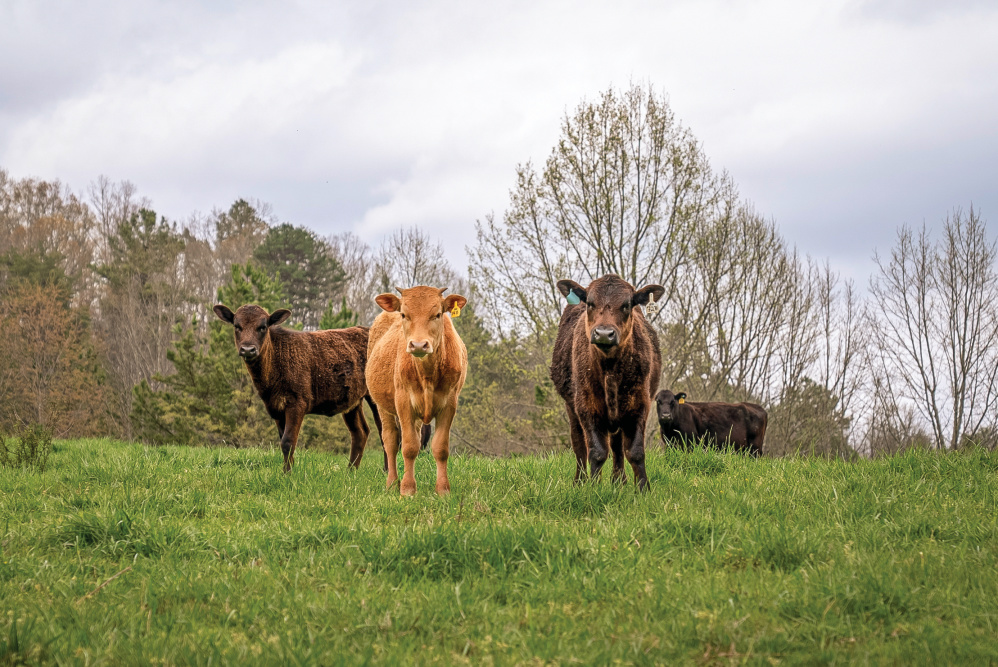
Akaushi mature slowly, reaching market weight of around 1,200 to 1,300 pounds at approximately 30 months, compared to 18 to 24 months for the average Angus steer. Hyatt’s primary business, however, isn’t beef sales but breeding and selling calves.
“We’ve been growing the calves through the stocker stage, which is about 700 pounds,” he explains. “We sell them wherever we can, though we might try direct sales in the next year or two.”
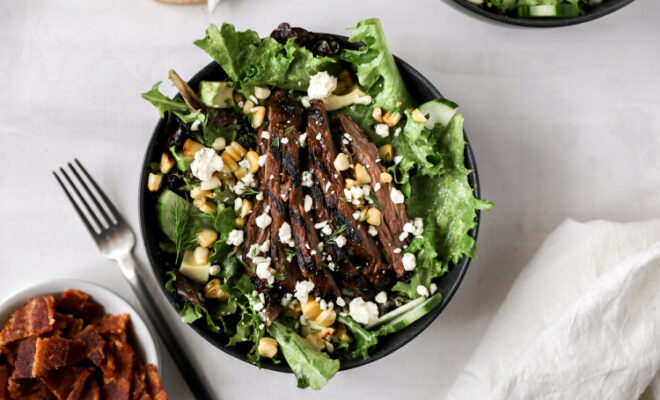
Although Akaushi comes with a higher price tag, Hyatt has experienced profitability with his specialty beef in recent years. He believes Red Wagyu will become a premium product, particularly in fine dining settings.
“If you can raise the price a little and get a better product – meaning marbles better, tastes better and is healthier – then I think the superior carcass qualities of the Akaushi will prevail,” he says.
Where’s the Beef
Fred Smith Company Ranch, Clayton
Learn more and subscribe to the Pasture to Plate program at fscranchbeef.com.
Wilders, Turkey
Order Wilders meat to be delivered directly to your door at wilders.com.
Seven Meadows Farm, Brasstown
Bass Hyatt’s Akaushi steers for beef are sold on his daughter Quincey’s farm, Cole Creek Farms, available at colecreekfarmsllc.com.