Contrary to popular belief, turkey wasn’t served at the first Thanksgiving meal in Plymouth in 1621. But by the time Congress made Thanksgiving a federal holiday in 1885, turkeys were being served for the fall feast, mainly due to how plentiful and affordable they were in New England.
Fast forward nearly 140 years, and the United States is the world’s largest turkey producer and largest exporter of turkey products, according to the National Turkey Federation. North Carolina ranks as the second-highest producer with 28 million of the birds raised in 2022.
“Turkey is underestimated as a meat product,” says Dr. Mary Fosnaught, a faculty member in NC State’s Prestage Department of Poultry Science who directs poultry youth programs. “Turkey meat is an affordable, high-protein source and has its own interesting flavor profile.”
Animals & Livestock
What Do You Call a Baby Turkey?
Teaching Turkey Science
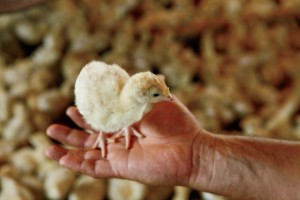
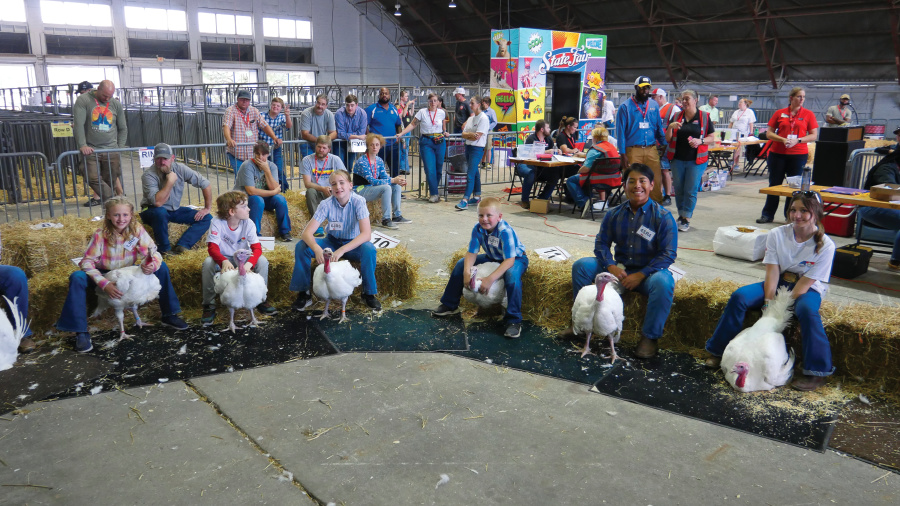
Fosnaught runs the Youth Market Turkey Show each year, where about 200 students ranging in age from 5 to 18 years old raise and show market turkeys at the N.C. State Fair. Students pay an entrance fee in April, then pick up three poults, or baby turkeys, in June and raise them at home. Then in October, they can bring their best market turkey to the State Fair to compete for Grand Champion, where the Grand Turkey sold for $7,500 in 2023.
“We have Zoom ‘Turkey Talks’ after the kids take them home to teach the kids best practices on rearing, housing, biosecurity and providing good animal welfare to get animals ready for market,” Fosnaught says.
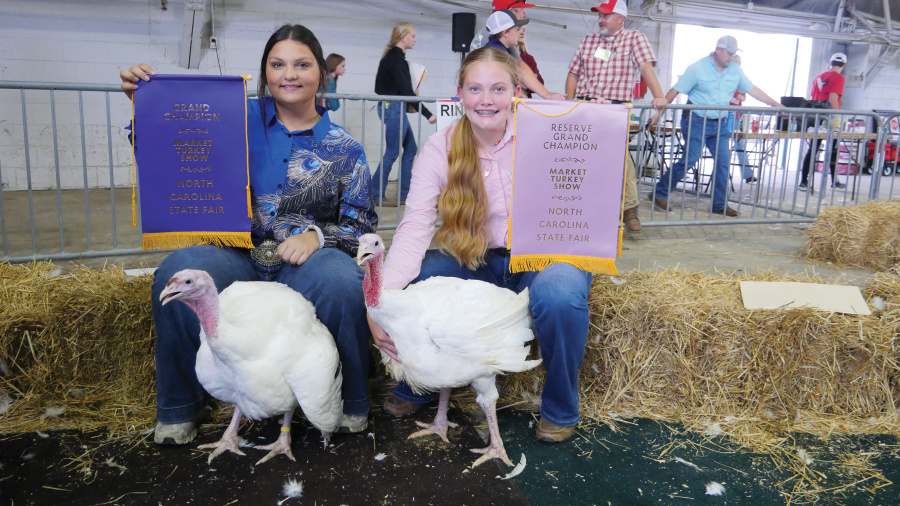
She adds that the kids are taught that the animals aren’t pets but are raised for food production.
“These young people are making the real-world connection between animals reared and meat provided,” she says. “Some of these youth actually grow the bird that their family will celebrate with at Thanksgiving. That is truly a full-circle moment for these young people.”
The Poultry Science Summer Institute is another way Fosnaught teaches kids about how poultry goes from farm to table.
“It’s an immersion experience for high school students, where we teach embryology to immunology and everything in between,” she explains.

Recipes
Tasty Turkey Recipes for Fall
As part of the summer program, students tour the Butterball headquarters in Garner, where they learn about careers in food science and gain an in-depth understanding of the food supply.
Growing & Caring for Turkeys
Union County farmer Gene Price has been in the poultry business for 51 years. He and his wife, Kathie, own K&G Farm and live on a century farm that dates to 1887.
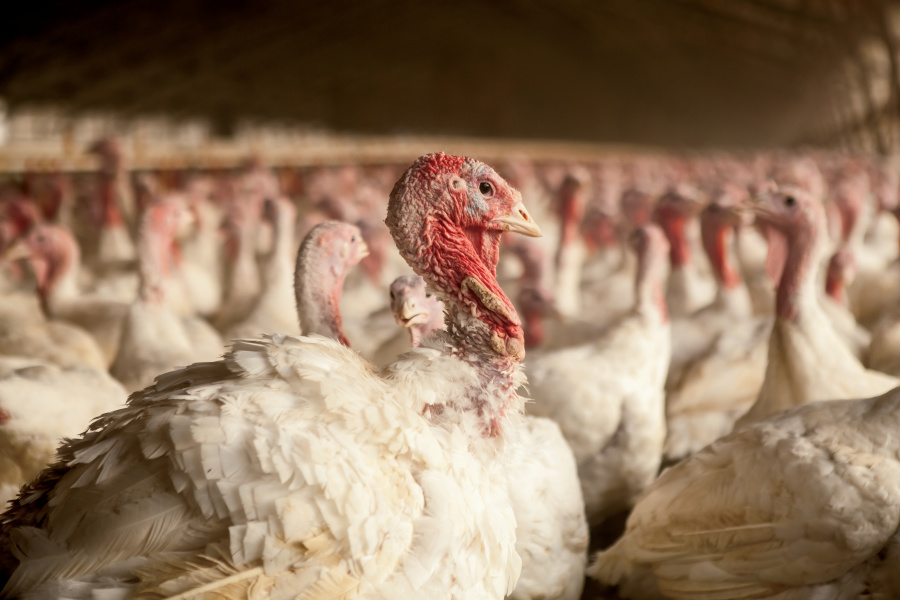
Growing chickens for 41 years, Price switched to turkeys in 2014 and partners with Circle S Ranch in Monroe, which buys Price’s turkeys when they turn 20 weeks old. Price grows “heavy toms,” which are male turkeys that get up to 46 pounds.
“They’re very large birds,” Price explains.
K&G Farm receives 30,000 5-week-old turkeys three times a year and raises them for 15 weeks.
“They’re in a totally controlled environment, and we regulate what goes on in the houses,” Price says. “They get plenty of fresh water and feed and fresh air with great air quality and a mild temperature. It’s almost like they’re on their own little island.”
Price adds that they’re strict about the environment where the turkeys live and very focused on biosecurity for the birds.
“There are a lot of challenges in growing turkeys, and we have to deal with a lot of outside influences and concerns like diseases that could get into the birds and other biohazards,” he says.
Poultry Progress
Fosnaught and Price agree that it’s critical to teach the next generation about the importance of turkey production.
“I’m amazed by how many young people are interested in working with animals, and I enjoy helping kids find their passion in poultry science,” Fosnaught says.
Price’s son, Nick, is studying to be a veterinary technician at Appalachian State and considering joining K&G Farm when he graduates, which might mean the family turkey operation will expand in the future.
“We’re proud of our heritage and the growth in the poultry industry in North Carolina,” Price adds.
NCFB News
Animal Agriculture Adds Jobs
With the average American consuming 15.3 pounds of turkey meat per year, it’s more important than ever to create opportunities to teach young people the best practices in caring for and raising turkeys.
“Poultry is the nation’s No. 1 food protein,” Fosnaught says. “We need young people to be the next generation of poultry professionals, not just to grow poultry but to manage the feed mills that produce the feed, develop the vaccines that protect our flocks, and all the other dynamic disciplines in the production of food.”