What are the next big crops for North Carolina farmers? The North Carolina Department of Agriculture and Consumer Services (NCDA&CS) is working to find out. The New and Emerging Crops Program (NECP) helps fund research that identifies new crops and value-added products with the goal of making them economically viable for North Carolina farmers.
“The program originally started by funding research for bioenergy crops,” says Hunter Barrier, NCDA&CS horticultural crops research station superintendent and NECP coordinator. “In 2018, our mission evolved to include new and emerging crops and again in 2024 to include innovations to advance the agricultural economy. Our program funds research projects with university faculty, N.C. Extension, growers, nonprofits and private industry. Farmers are always looking for alternative options.”
Spotlight on North Carolina Sesame
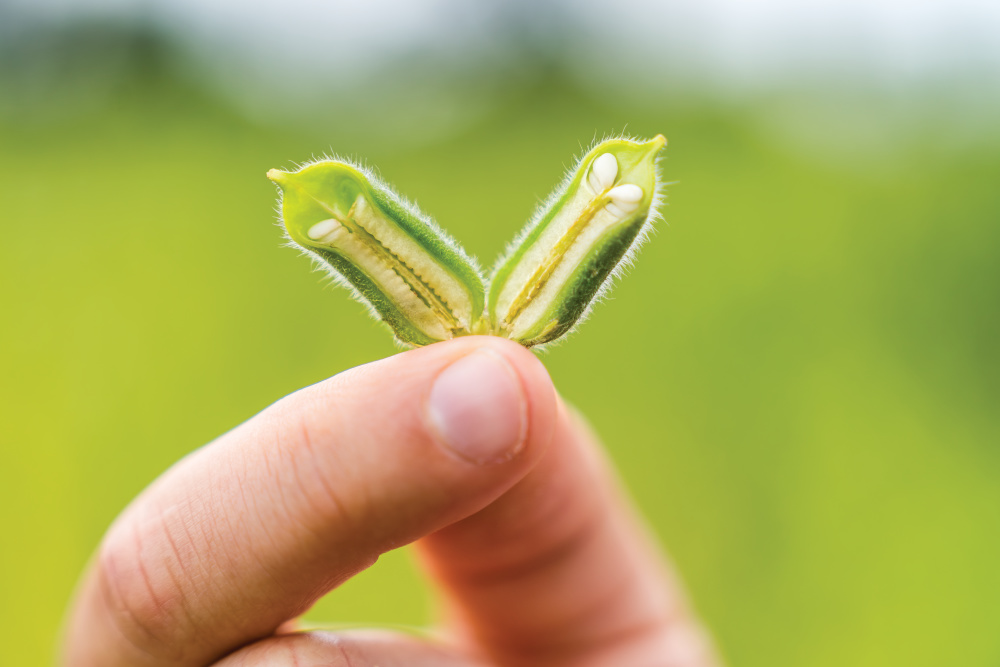
Barrier says in April 2020, he received two simultaneous inquiries about growing sesame and learned about a company that was interested in testing sesame varieties in the Southeast. He connected with Dr. David Suchoff, assistant professor and alternative crops specialist at NC State University.
“I got a message from Hunter asking me to come out to some research stations and look into a few sesame plots,” Suchoff says. “It’s a crop that’s traditionally been grown in Texas and Oklahoma, but we learned there’s a large demand and an interest in expanding the crop to the Southeast.”
Suchoff received an initial grant from NECP that laid the foundation for sesame research. Over the next four years, he received additional grants to continue the research and help interested farmers cover costs, then look specifically at nematodes in the soil – a pest that affects other field crops.
“A graduate student, Marcela Chavez, really took on the initial research,” Suchoff says. “We discovered that we can grow sesame here and it can produce good yields. The crop itself has a lot of interesting benefits to farmers.”
Low Input, High Value
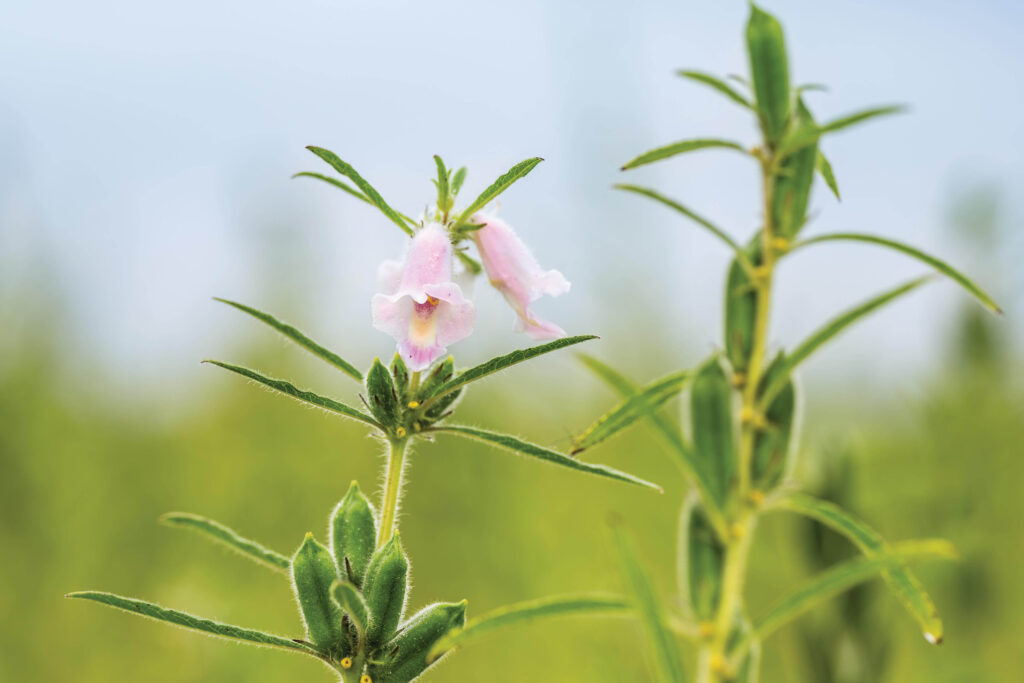
Benefits of sesame include drought resistance, deer resistance and no need for specialized equipment.
“If a farmer is already growing small grains (such as wheat, barley and oats), for the most part, they have what they need,” Suchoff says. “Farmers might need new plates for their planters, but we’re not talking about massive investments.”
Barrier adds that when looking at new crops, the department goes through a list of questions: How easily can it be adopted? Do farmers have equipment? What does the market look like? What does it take to grow the crop?
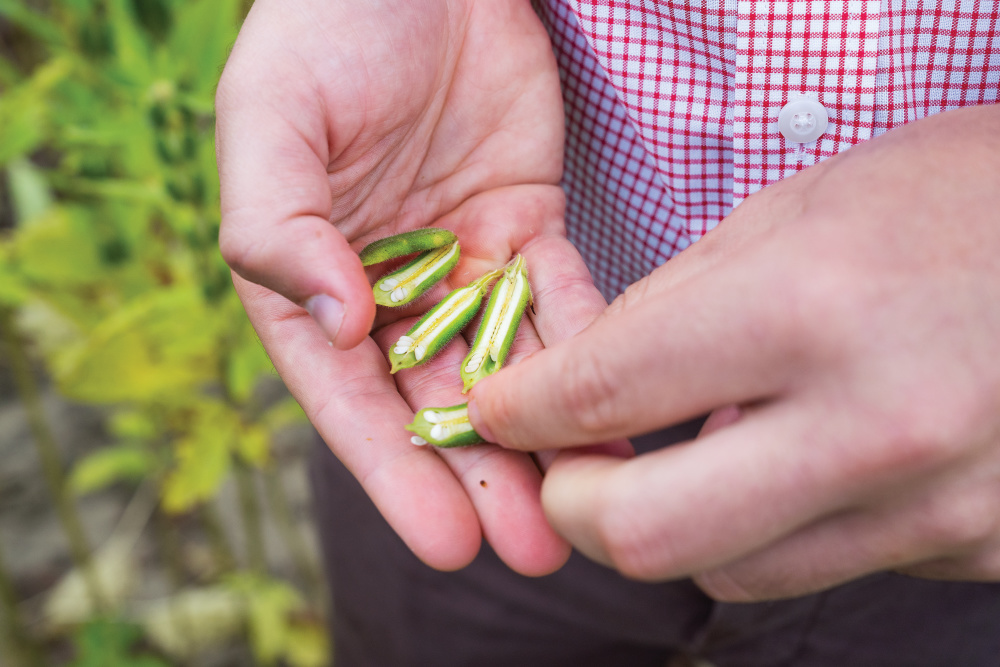
“Sesame checked all the boxes correctly,” he says. “It was a good opportunity for growers, so we wanted to try it.”
Today, more research is focusing on the crop’s pest resistance, specifically for the guava root-knot nematode, which has been known to decimate other important crops like sweetpotatoes. Suchoff found that in preliminary studies, sesame resisted and actually reduced the population of nematodes in the field. Research continues to see if there’s a carryover effect on the health of the soil.

In addition to benefits, the research unearthed some challenges of sesame too.
“The planting process is critical,” says Willie Howell, NCDA&CS regional agronomist for Region 4, which covers five counties in southeastern North Carolina. “Sesame requires the seed being planted at the correct depth, with the right amount of moisture for the right amount of time for it to germinate. Harvest is just as important. You must harvest the crop immediately when it’s ready. You can’t let it sit in the field for several weeks or months.”
From the Lab to the Field
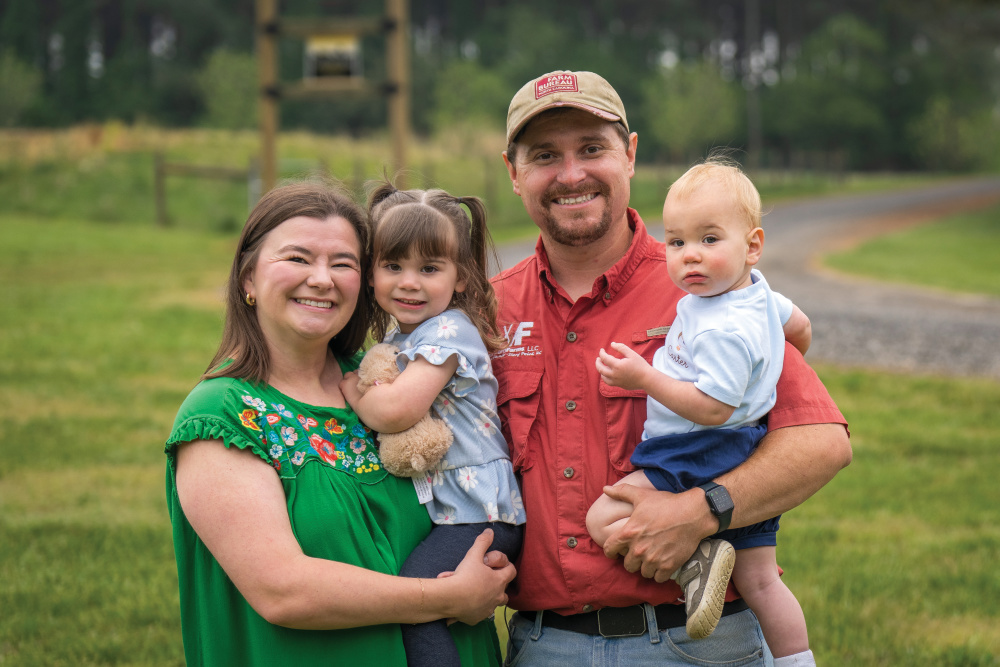
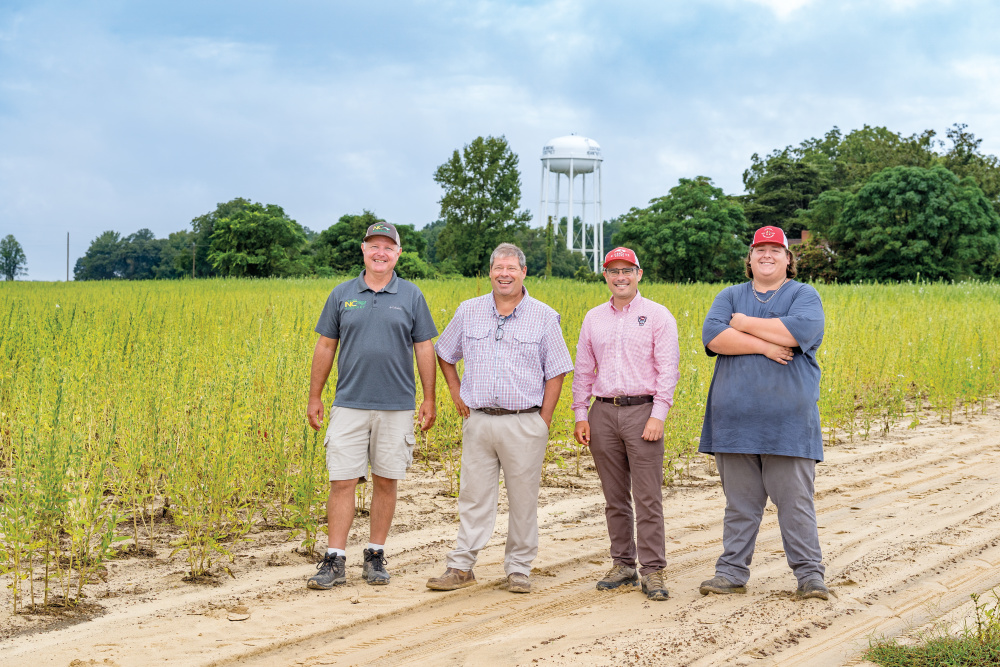
Howell is the agronomist for Chris Neal, a grower in Goldsboro, who primarily raises produce.
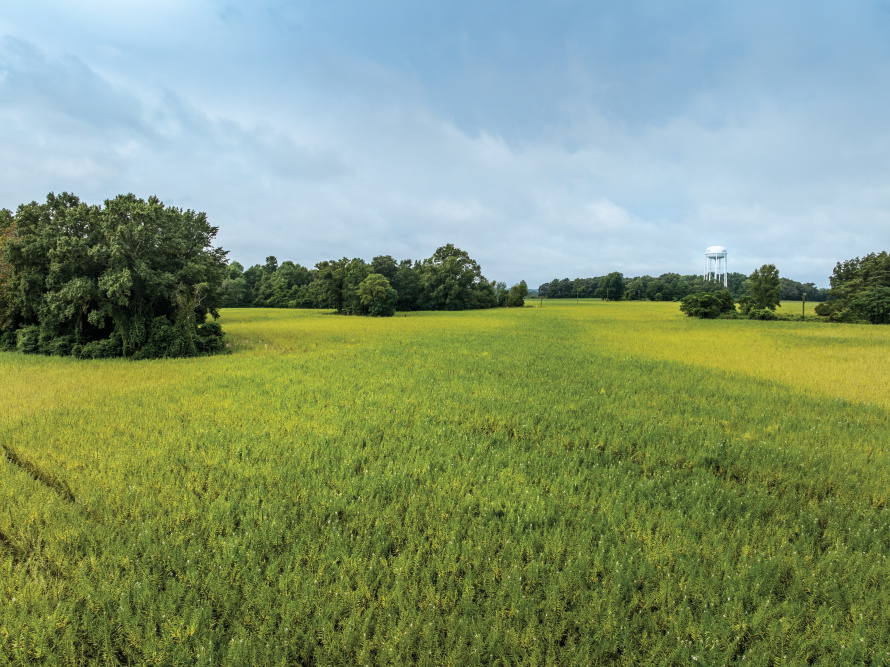
“We grow butter beans, fingerling potatoes and green beans, and we were looking for a rotation crop,” Neal says. “Willie brought the idea of sesame to me after he attended a field day for it. We started growing it in 2023 on 50 acres, and this year, we’ll have 400 acres.”

Neal says sesame has been great as a rotation crop and has increased his farm’s profit. But he echoes Howell on the importance of planting and harvesting carefully.
“You get out of sesame what you put into it,” he says. “We don’t have a lot of historical data on it yet, but it’s not a crop that you can just throw into the mix and expect it to flourish. You have to actively farm it.”
Neal, Howell, Suchoff and Barrier all agree that there’s a future for sesame in North Carolina.
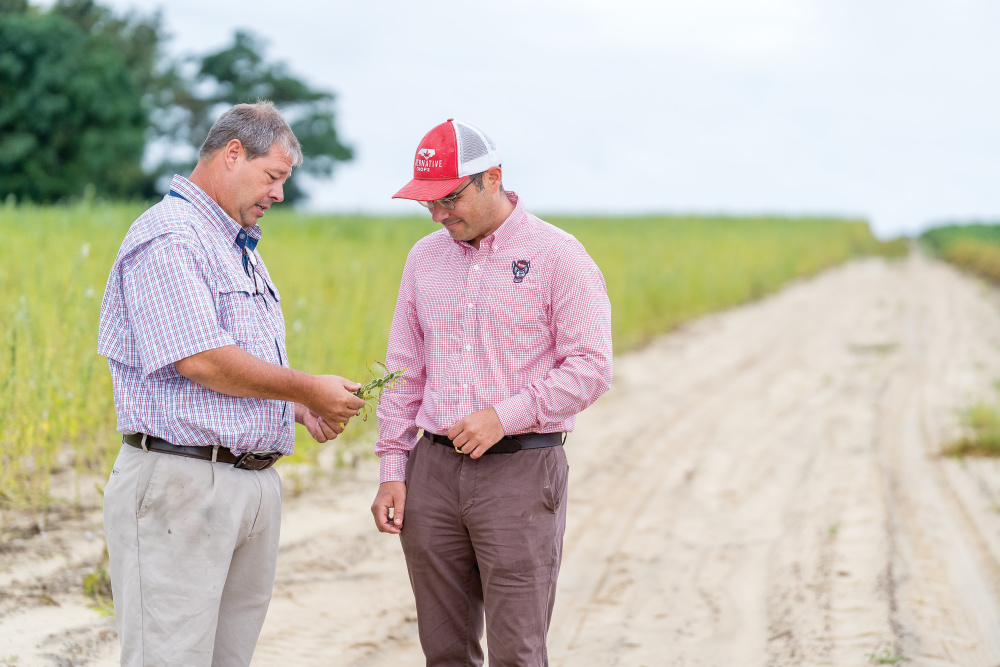
“To make it sustainable and profitable for farmers, I think we’d need to get a cleaning and processing facility in North Carolina or at least the Southeast,” Suchoff says.
As a grower, Neal adds that as long as there’s a market, there’s a fit for sesame in the state.
“We’re all still learning,” he says, “but I do see a fit for it here.”
Find out more about the NCDA&CS New and Emerging Crops Program and grant application at ncagr.gov/divisions/research-stations.
For more on Suchoff’s sesame research, visit cals.ncsu.edu/news/open-sesame-seeds.