
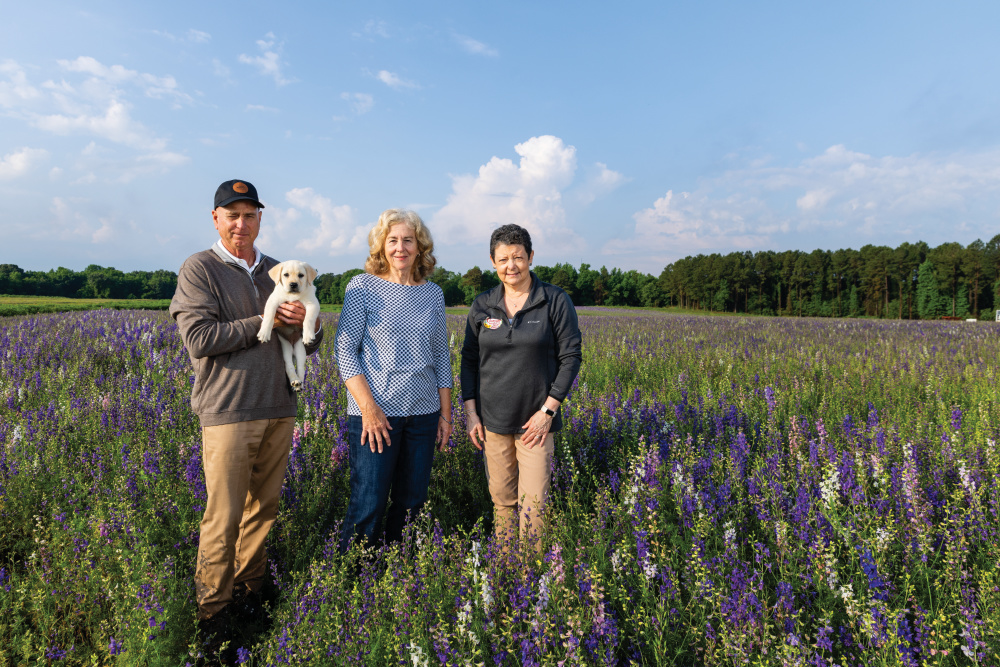
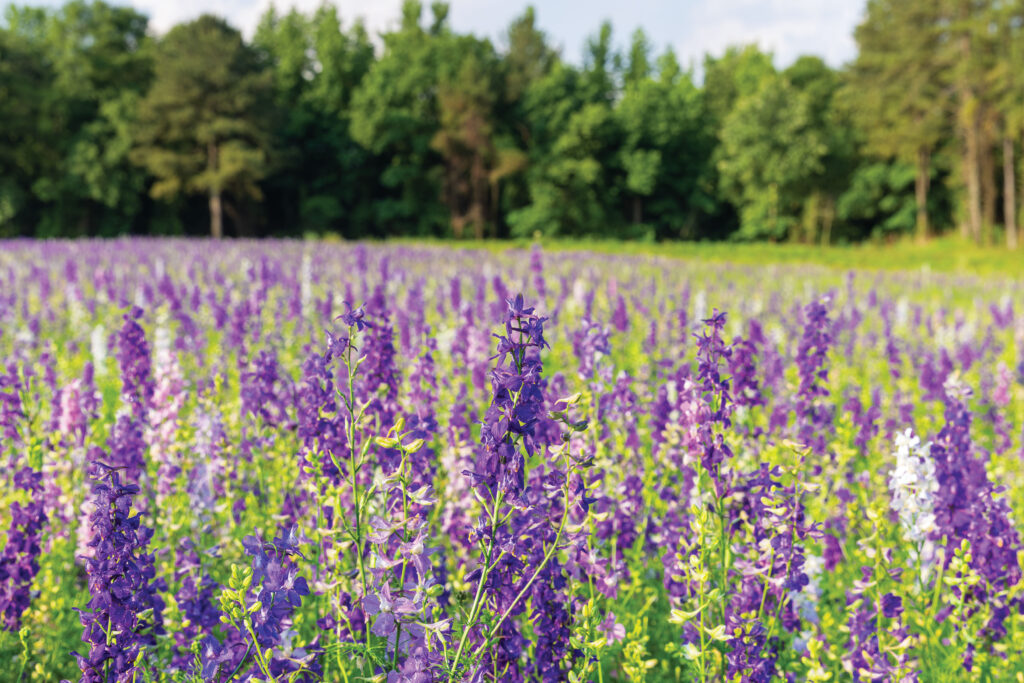
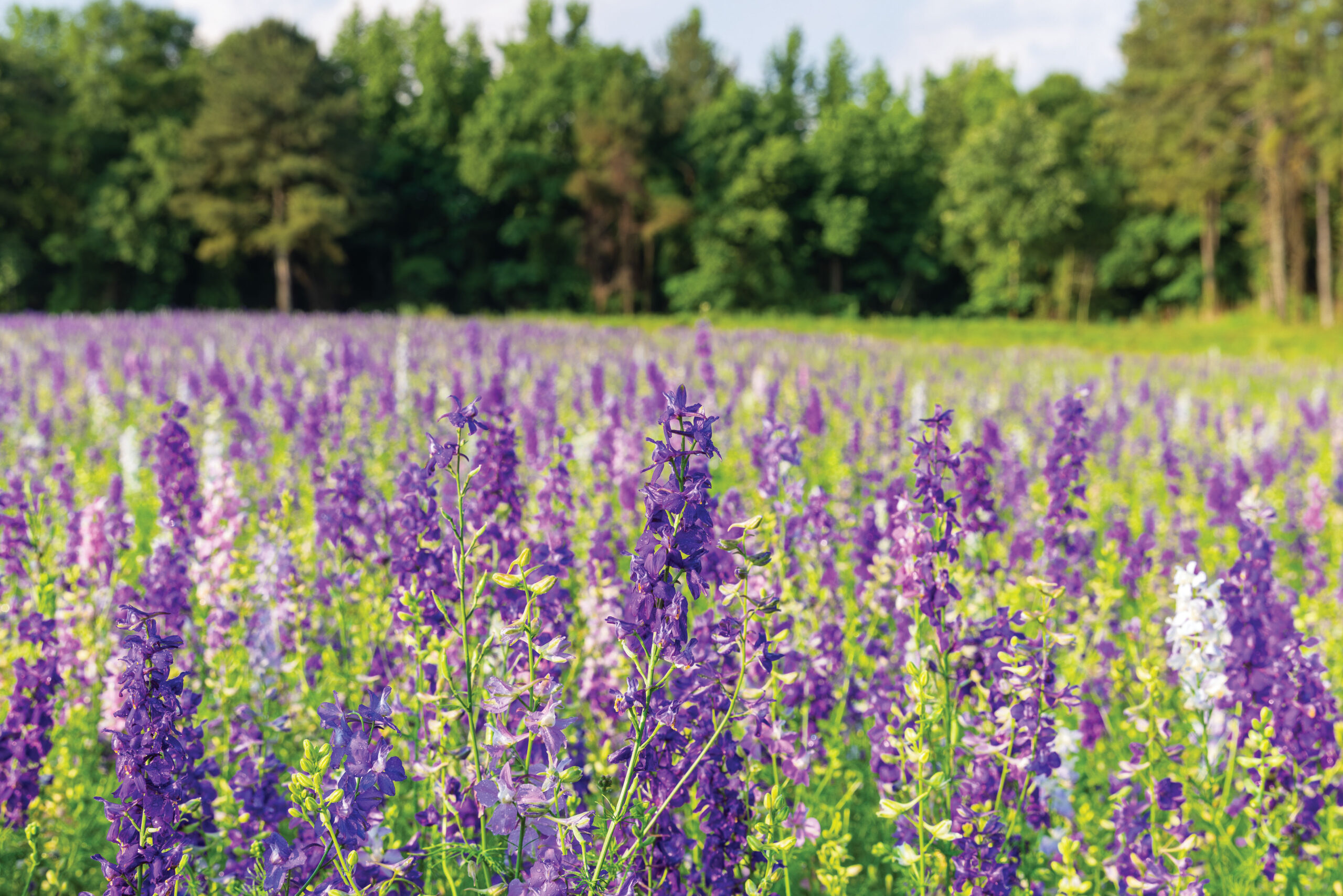
Tucked away in Four Oaks in Johnston County, sprawling fields of violet, yellow and crimson wildflowers cover the land where a thriving tobacco farm once stood. Garrett Wildflower Seed Farm specializes in cover crops, wildflowers and wildlife food crops that both beautify and benefit the environment. Years of hard work have turned this family farm into a thriving business that serves customers across the country.
Garrett Wildflower Seed Farm is Sowing the Seeds
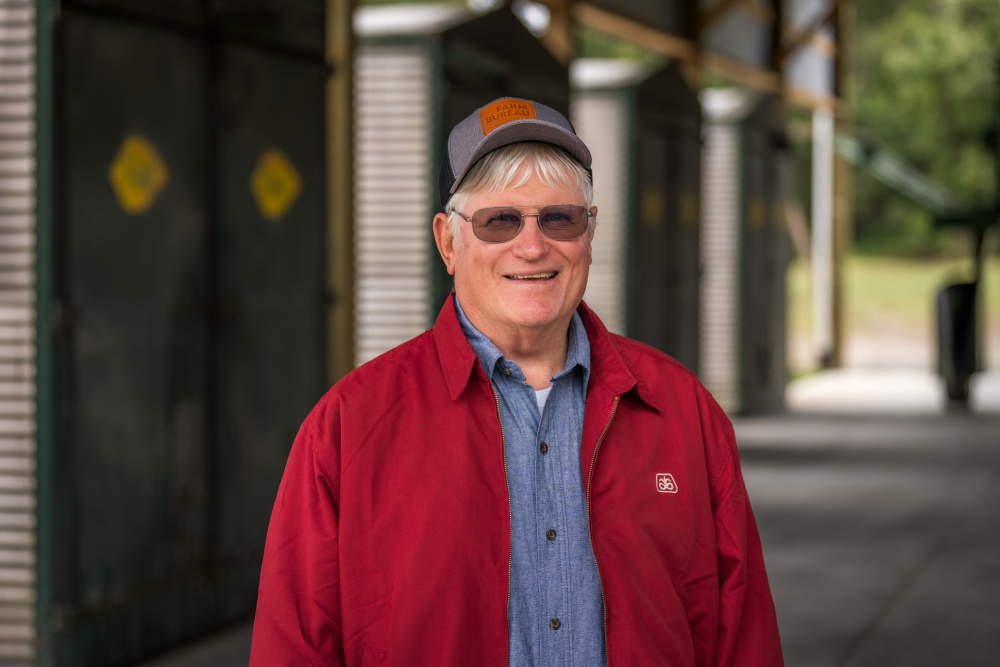
Don Lee is a co-owner of Garrett Wildflower Seed Farm. He and his sister are the ninth generation of farmers to tend his family’s land in Eastern North Carolina. Growing up, Lee worked on the farm, and he continued to dream of farming full time while pursuing a career in engineering.
“I always wanted to be a farmer,” Lee says.
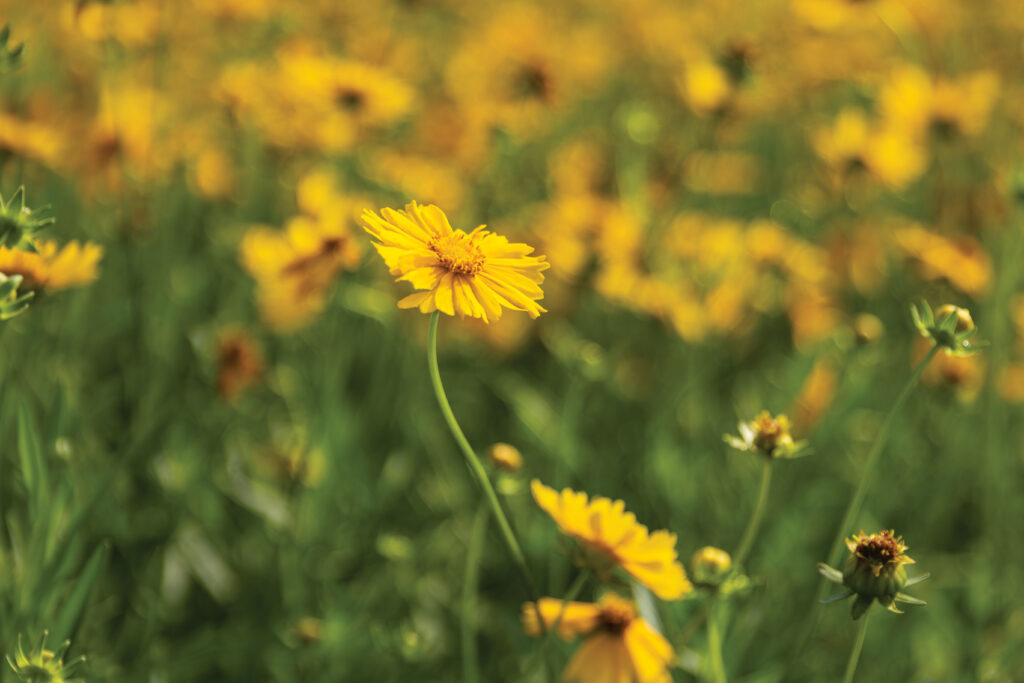
The family land in Johnston County traces back to a tobacco farm owned by his grandfather, Garrett Lee. The family planted their first plot of daisies in 1991. From there, they began transitioning the farm from tobacco and sweetpotatoes to wildflowers. The variety and benefits of wildflowers drew Lee’s interest. Over the years, he has collected many samples in the wild to bring home.
“I was always very intrigued by what grows under the power lines and the edge of the woodlands,” Lee says.
Germinating a Business
From a single plot of daisies, the land is now a 1,500-acre farm that produced approximately 90,000 pounds of seed last year alone. Seed varieties include wildflowers, wetland crops and native grass seed. More than 40 different varieties are grown on the farm, each with its own specific growing requirements.
The seeds themselves take many forms, from seeds the size of a grain of sand to flakes or fluff. The seeds must sometimes be cleaned up to seven times to meet purity and germination standards. The thorough cleaning results in a high-quality product.
“If it grows in the wild and has seed, we can plant it,” Lee says.
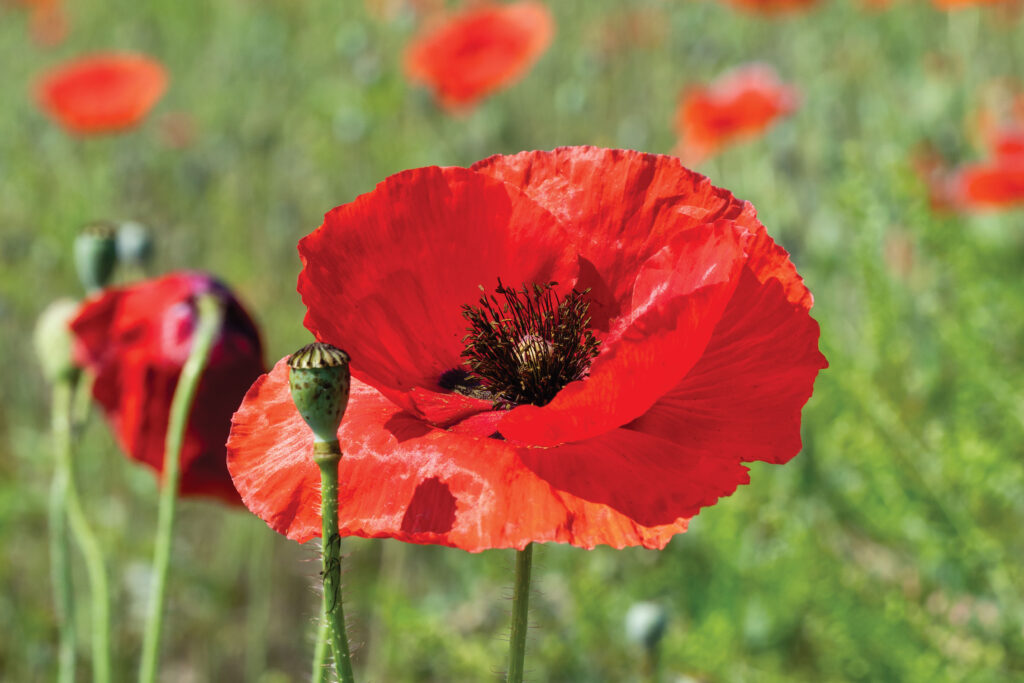
Aside from their stunning appearance, wildflowers and native grasses offer significant environmental benefits that attract customers. Finding out what grows best in different environments took years of trial and error, allowing Lee to create a variety of unique mixes that the farm sells by the pound or by the pallet.
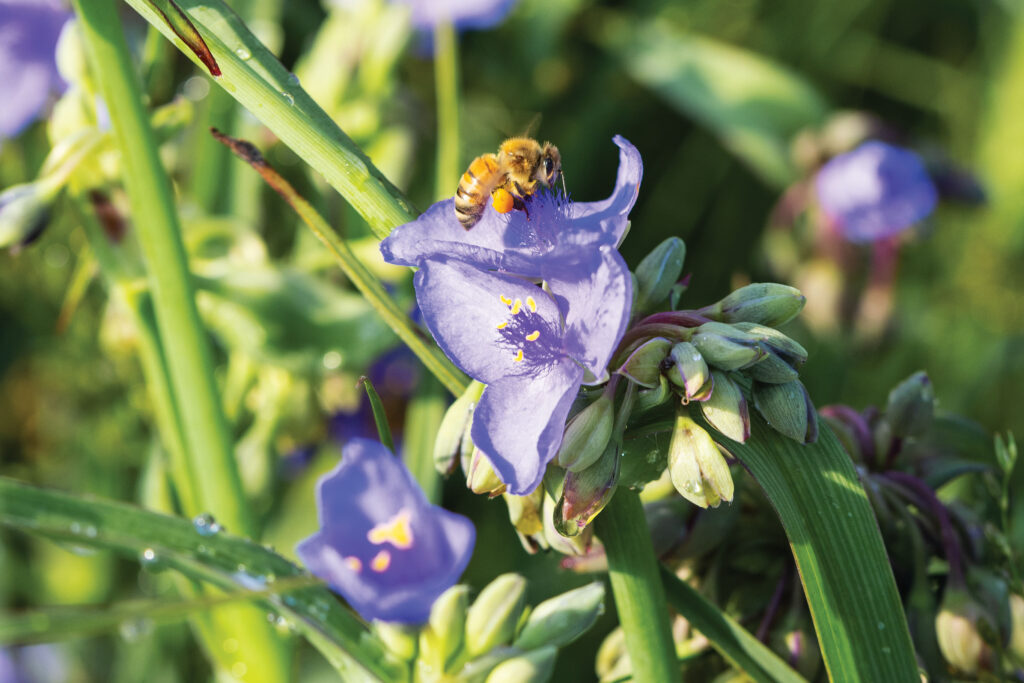
From pollinator mixes to quail restoration blends, Lee has developed seed blends that benefit the land and wildlife alike. Native grasses can restore stream banks and wetlands. Farmers can plant wildflowers to attract pollinators that will benefit their crops.
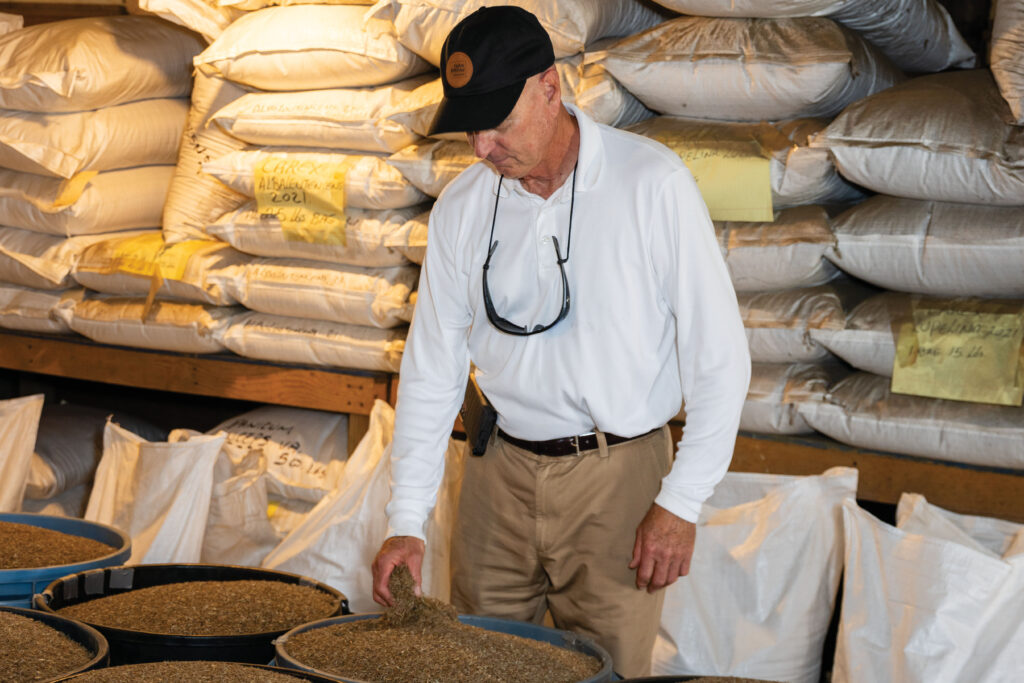
Lee has spent much time in the wild, studying, researching and gathering seeds. Now, he shares the collection with customers of Garrett Wildflower Seed Farm.
“Don doesn’t give himself enough credit,” says his wife and co-owner, Laura Lee. “There’s no book out there on how to do this. It’s been a lot of blood, sweat and tears.”
Cultivating Resilience
All those years of hard work were nearly swept away in 2018 when Hurricane Florence flattened Garrett Wildflower Seed Farm. Lee credits the hard work of Debbie Hamrick, former director of specialty crops with North Carolina Farm Bureau, with successfully lobbying the state’s lawmakers to provide assistance for nontraditional farmers like him.
“If North Carolina Farm Bureau, the North Carolina Department of Agriculture and the state General Assembly hadn’t helped us, I don’t know where we’d be today,” Lee says.
Since recovering from Hurricane Florence, business for Garrett Wildflower Seed Farm has been better than ever. The Lee family frequently receives photos from happy customers across the country, showing how their land has been transformed by tracts of beautiful wildflowers or native grasses.
Wild at Heart
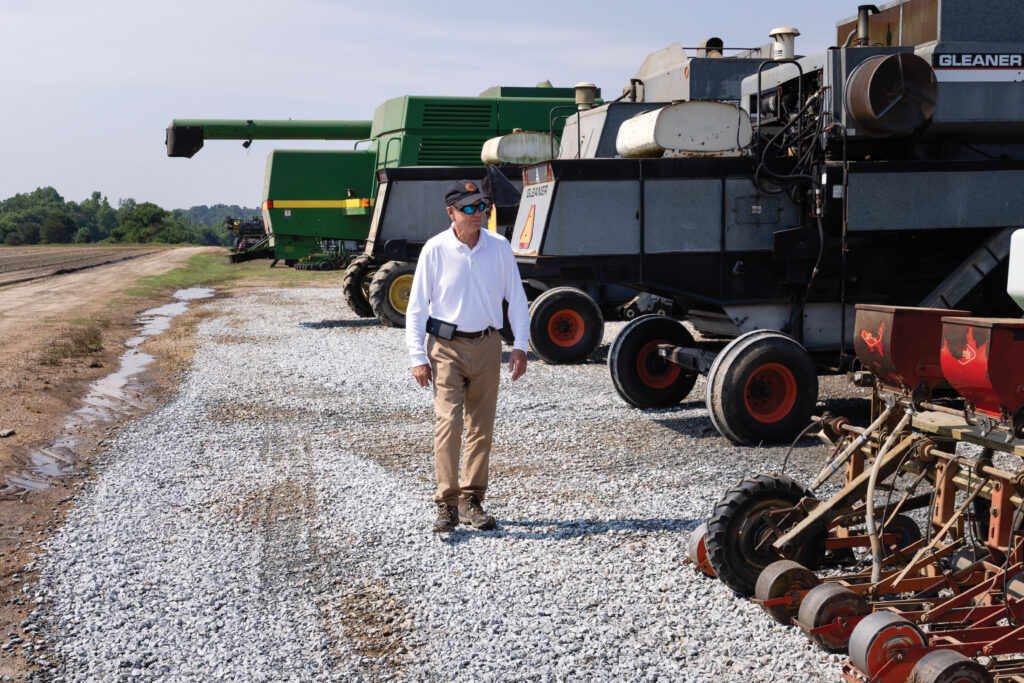
While the business continues to grow, the family stays true to their roots by honoring the farm’s past. Much of the former tobacco farm equipment has been reclaimed and repurposed. One example is the tobacco barns housing seeds, or the grain bins used for specialty seed drying. By keeping the business in the family, Lee hopes the land will remain productive and benefit the environment.
“God, family, friends and farming,” Lee says. “Those are the things that really energize me.”
To learn more and purchase seed, visit garrettseed.com or call 919-989-3031.


Comments
Comments are closed.
i would like to get a catalog.