More than 30% of Americans farmed for a living in 1914 when the Smith-Lever Act formalized Extension programs, first establishing the U.S. Department of Agriculture’s partnership with land-grant universities that provide agriculture education and research to nearly 3,000 counties across the country. Now, more than 100 years later, less than 2% of Americans farm, but state Extension systems still play an important role in the changing landscapes of American life.
Today, North Carolina has more than 1,000 Extension experts spanning all 100 counties and the Qualla Boundary who work with farmers, citizens, and federal, state, and local governments.
North Carolina’s Extension programs, based at N.C. A&T State University and NC State University, offer research and knowledge to farmers, businesses, families and communities – and they also generate more than $2 billion in annual economic impact for the state.
“Every North Carolina county agent has someone back at NC State that ties back to their specific issues and serves their needs,” explains Dr. Rich Bonanno, former NC State Extension director. He now serves as executive director for the Association of Southern Region Extension Directors.
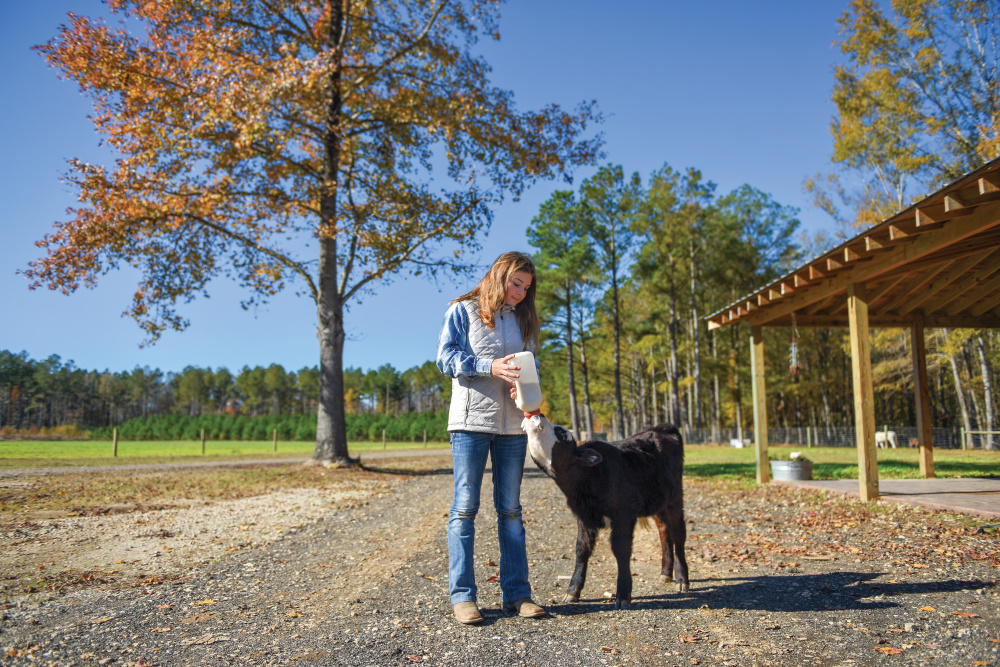
“We have more than 750 Extension agents based in the counties, who connect back to another more than 500 experts working at campus and other university facilities who directly support Extension’s efforts,” Bonanno explains.
Faculty members conduct applied research, which directly addresses the short- and long-term needs of farmers and community members.
“It’s an ongoing effort, as we assess the needs of North Carolina agriculture and focus on the success of our farmers and communities,” Bonanno says.
Consistent focuses include pest management, weed management, diseases and responding to drought concerns on their crops.
To support these areas, Extension agents and specialists offer pesticide certification classes and production meetings, as well as updates to producers on new and innovative agricultural production technology. They also work with farmers through on-farm research trials and test plots to make better decisions each year.
North Carolina Extension Facts
- North Carolina has 750 Extension agents.
- North Carolina’s Extension programs are based at N.C. A&T State University and NC State University.
- The state has more than 1,000 Extension experts spanning all 100 counties.
- More than 500 experts support local county agents.
- Extension generates more than $2 billion in annual economic impact for the state.
County Outcomes
“One of the main purposes of our Extension is to help farmers be successful each growing season by providing them with technical assistance with their agronomic concerns,” says Lisa Childers, N.C. Cooperative Extension director for Cumberland County.
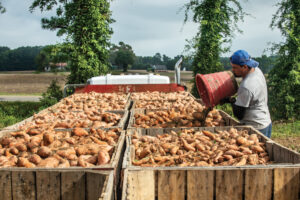
Corn, soybeans and cotton are the primary crops grown in Cumberland County, where farmers hold strong partnerships with the Extension office, located in Fayetteville. An example of their strong Extension collaboration is the NC Cotton Variety Performance Calculator, developed by faculty members at NC State to assist cotton farmers when evaluating cotton variety performance based on multiyear and multi-environment data.
Thanks to the research and collaboration of cotton farmers and Extension, cotton farmers now have a comprehensive tool for evaluating the performance of cotton varieties in North Carolina soils.

Friends in Farm Bureau
A valuable partner of Extension’s Cumberland County Center is Cumberland County Farm Bureau, led by County President Wayne Collier, which supports educational programming, a 4-H endowment, 4-H youth camps, the Visit NC Farms App, livestock shows and sales, the Cumberland County Fair, the Cumberland County Agriculture Hall of Fame, and more.
“Cumberland County Farm Bureau is an integral partner in the success of Extension endeavors,” Childers says. “Many of our accomplishments are due to the overwhelming support we receive from the Farm Bureau and their board members.”
Advocating for the Cumberland County farming community is the main goal of both Cumberland County Extension and Cumberland County Farm Bureau.
“Extension truly has the interest of farmers in mind as they execute programs and promote agriculture in Cumberland County,” Wayne Collier says. “The director and staff are just good people to work with, too, which helps establish a feeling of community with Farm Bureau as we work toward a mutual mission of helping to make our farmers successful.”

Community Offerings
Non-farmers benefit greatly from Extension efforts, too. Two examples include the NC State Extension Master GardenerSM program and the web series, Homegrown, both excellent opportunities for North Carolina citizens living in cities, towns and rural communities.
“We have thousands of Extension Master Gardener volunteers throughout the state who focus on everything from turf to ornamentals to home gardening and food safety and preservation,” Bonanno says.
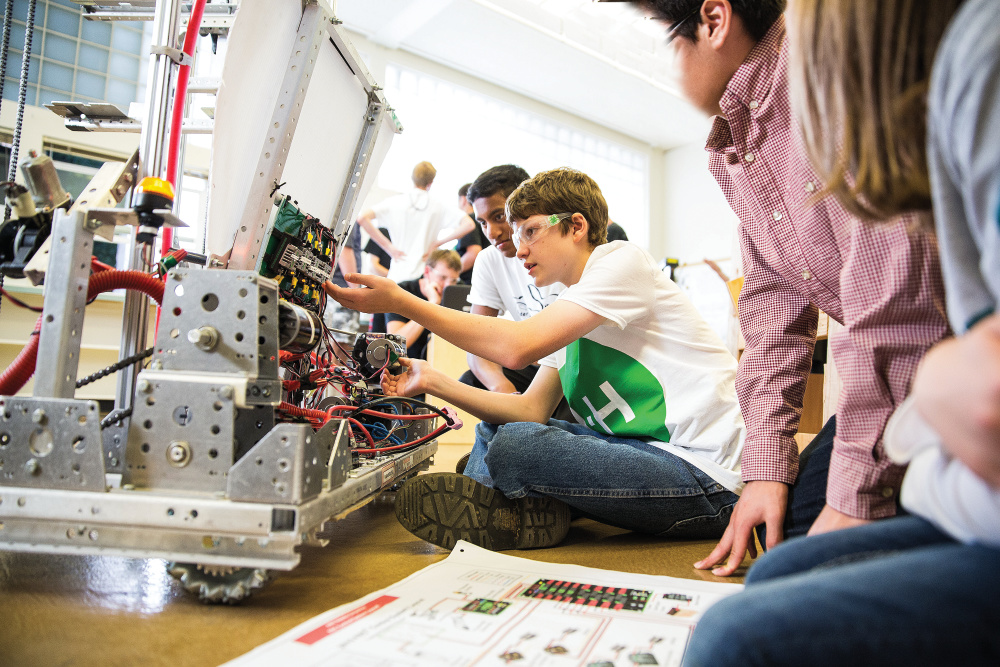
With more than 34 million online views by more than 11.5 million people, the Homegrown web series is short 2-to-5-minute videos in three categories: In the Garden, In the Kitchen and On the Farm.
Extension also offers education on topics far beyond food and farming, ranging from line dancing classes to quilting workshops to learning digital skills.

“It’s great how Extension helps people and makes a difference in their lives,” Bonanno says. “We have the ability to impact people, and offer support from university, state and local government resources – all creating meaningful impact and prosperity.”
Childers agrees. “I enjoy working with Extension,” she says, “because I get to stand on a farm beside a farmer and offer a solution to a concern or celebrate their successes and also teach children and adults how agriculture impacts their daily lives.”
Some of the Many Areas Offered by Extension
- Healthy Homes
- Family and Consumer Sciences Program
- Local Food
- Disaster Information Center
- NC State Extension Master Gardener℠ Program
- Food Safety
- Fresh Produce Safety
- Steps to Health: Supplemental Nutrition Assistance Program Education
- Therapeutic Horticulture
- Community Publications
- 4-H Youth Development
- Homegrown web series on YouTube