With an average annual production of 10 million seedlings and a reliable supply of more than 40 tree species, the N.C. Forest Service (NCFS) Nursery and Tree Improvement (N&TI) Program produces enough native and genetically improved tree seedlings to plant 18,700 forestland acres. Since 1924, the NCFS has continued to provide affordable and geographically suitable tree seedlings for the state’s diverse woodlands. In an ever-changing and often unpredictable seedling market, the NCFS serves as a stable provider assisting landowners with reforestation and afforestation.
Article sponsored by N.C. Forest Service.
Using only seed from native North Carolina trees, the NCFS N&TI Program is a dual operation under the same canopy that ensures woodland owners have access to the best genetics available. While the nursery program is tasked with growing, selling and distributing the annual seedling crop, the tree improvement program develops and enhances selections of key species such as Fraser fir, loblolly, longleaf, shortleaf, Eastern white pine and Virginia pine.
The NCFS maintains several orchards for seedling production where all improved selections are grown as a single family. Grafting is used to produce orchard trees that are exact copies of the selected parent tree, and by crossing known male pollen with known mother trees using control mass pollination, customers can expect earlier thinning, quicker final rotations and increased revenue potential that are specifically designed for North Carolina forests. These seedlings offer exceptional growth potential, form, disease resistance, straightness and other traits that produce beautiful Christmas trees, healthy woodlands and quality forest products.
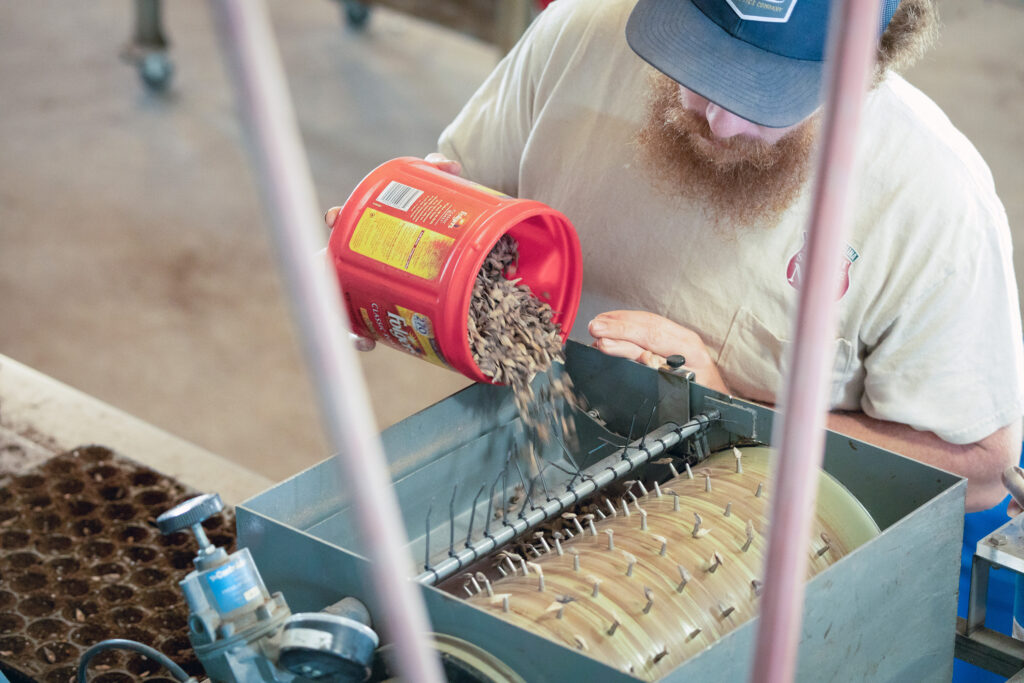
The NCFS offers third-cycle loblolly pine seedlings that are ranked by the Performance Rating System (PRS™), a user-friendly means that allows customers to compare growth potential and traits among different families. Loblolly is the most widely improved species in the Southeast, with most progress occurring in North Carolina. The NCFS has been involved in this effort, which has been led by the N.C. State University Tree Improvement Cooperative. As a result of this work, the best loblolly genetics are available to anyone.
See more: Talking Timber: 5 Fun Facts About North Carolina Forestry
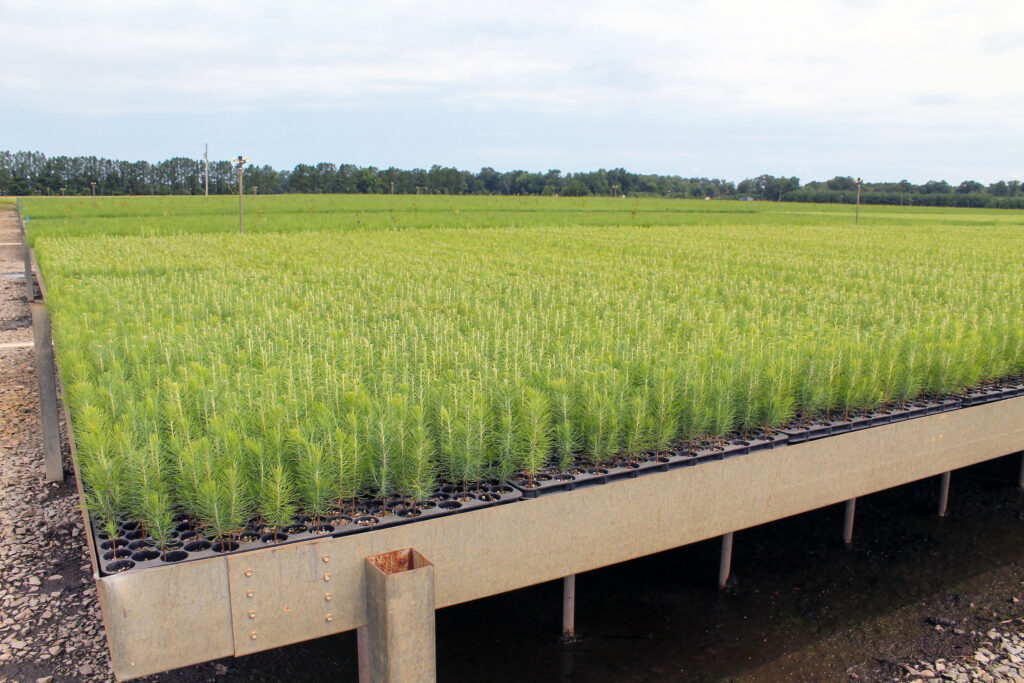
Planning and ordering early is crucial because planting season comes quickly and the best seedlings go fast. The N&TI Program is just another service area in which the NCFS strives to keep North Carolina’s woodlands healthy, growing and thriving. Improved containerized seedlings, as well as bare root trees, understory grasses and herbaceous plants, can be ordered from the online seedling store at buynctrees.com. Seedling catalogs will be available at local NCFS offices beginning in July as well as ncagr.gov/divisions/nc-forest-service/nursery-tree-improvement-program.
– By Philip Jackson, N.C. Forest Service, N.C. Department of Agriculture and Consumer Services