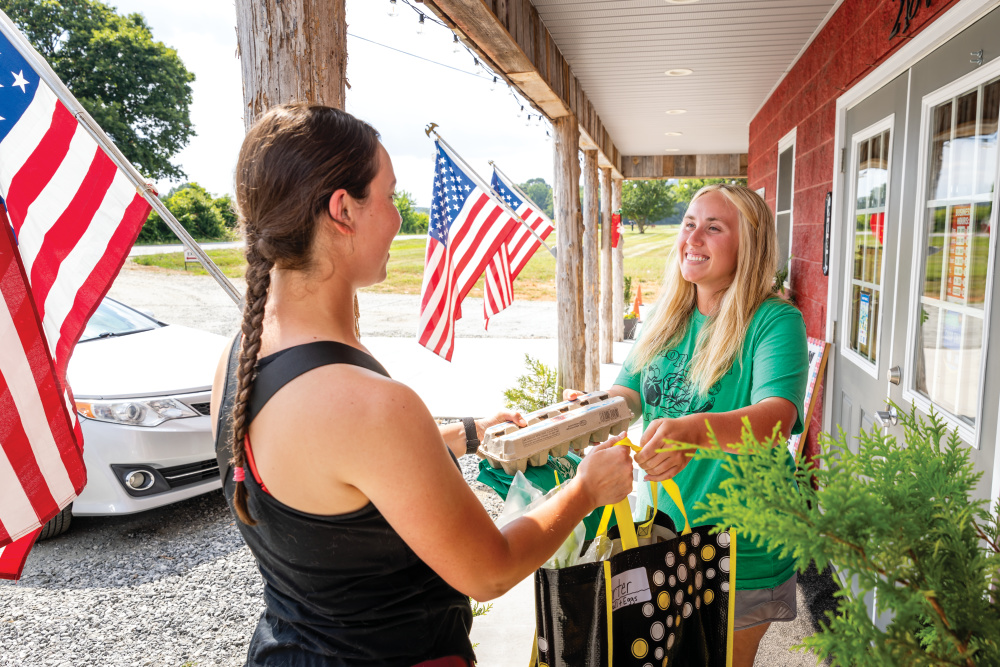
On-farm markets are showing up in more places across North Carolina, and for many farm families, they’re creating a sustainable future. As land pressures have grown and other agricultural challenges arise, these markets are bridging the gap between farmers and their communities.
Farm
John Burt Advocates for Land Preservation
Over the past 20 years, Wake County in Central North Carolina has grown and evolved tremendously. But for farmer John Burt, at least one thing has stayed the same.Offering fresh produce, beef raised on nearby pastures or baked goods made in-house, on-farm markets invite people to see where their food comes from and get to know the families who produce it.
Read on to meet North Carolina farmers from diverse regions, histories and approaches to on-farm markets. But all have this in common – they’re working hard to stay connected to their communities and keep agriculture a visible, viable part of life in the state.
Farm
Collin’s Produce Delivers a Fresh, Fun and Fragrant Experience
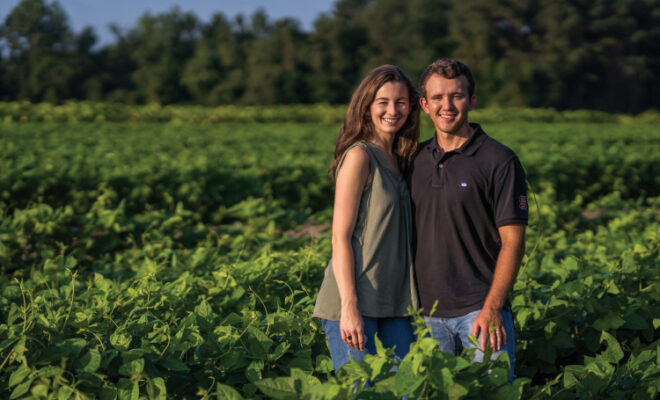
A field of sunflowers is as warm and inviting as the sweet summer sun. It catches your eye and holds your attention at Collin’s Produce.Southern Legacy Cattle Co.
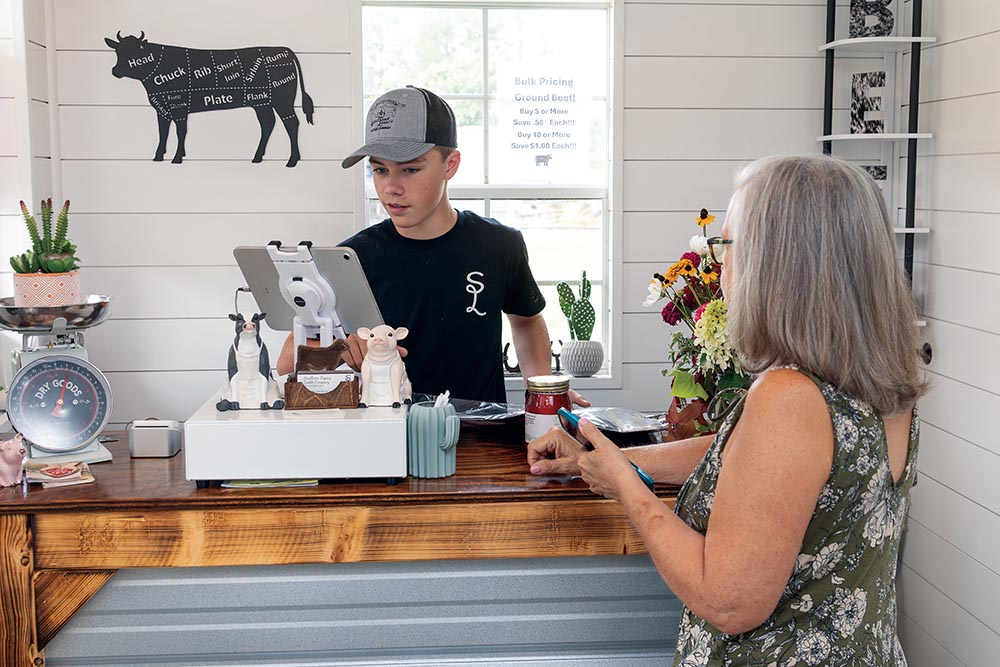
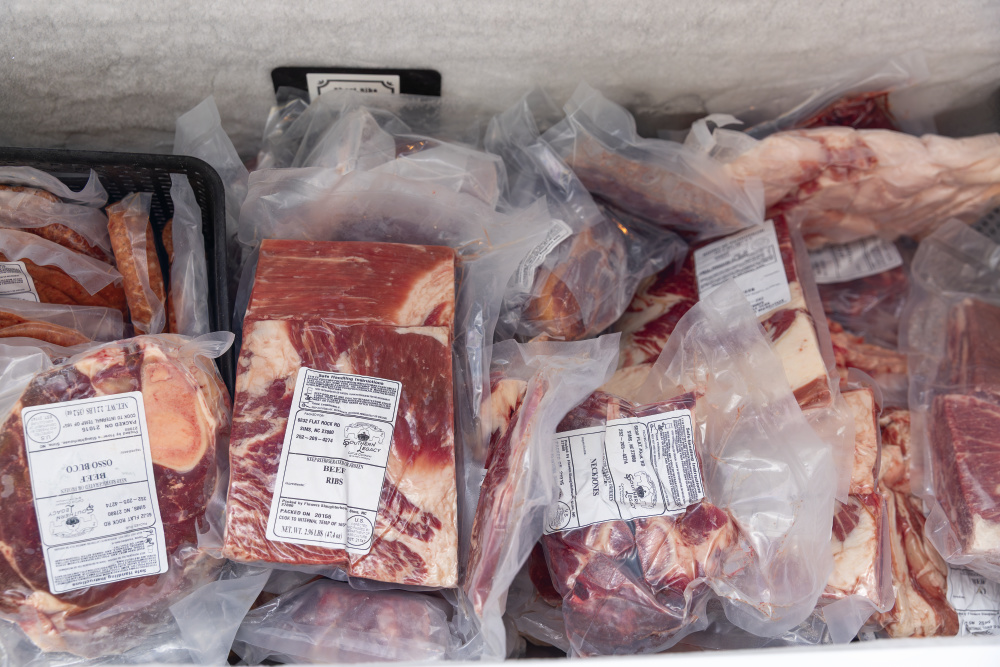
Tyler and Elizabeth Lamm founded Southern Legacy Cattle Co. about a decade ago when they decided to expand their first-generation Wilson County farm beyond row crops into cattle. What started with a small herd grew into a direct-to-consumer beef business after customers asked for more than halves and whole cows.
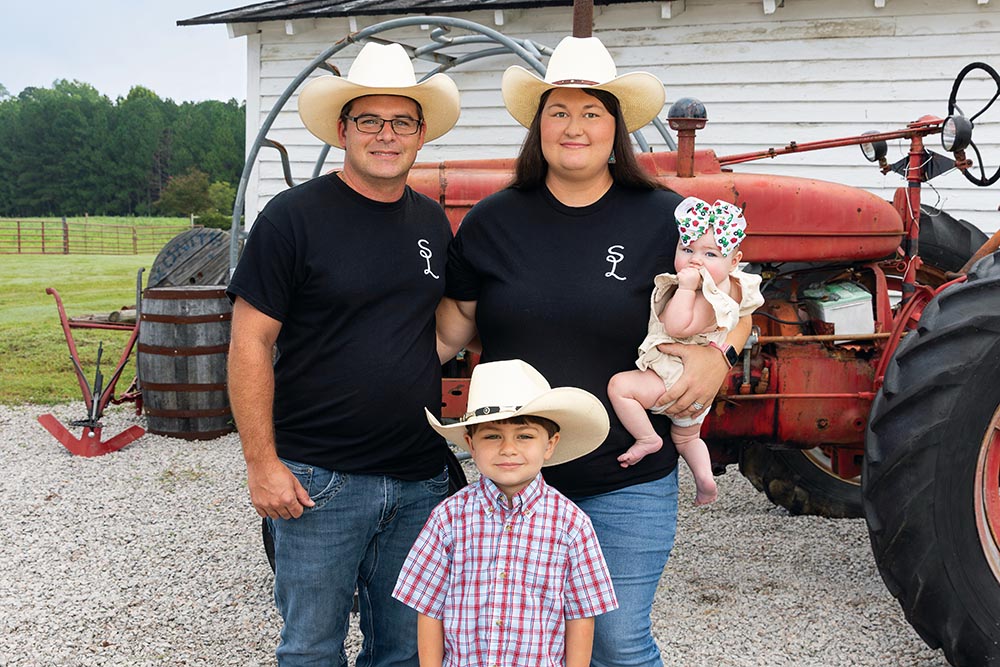
“People wanted 10 pounds of hamburger or a couple of steaks,” Tyler Lamm says. “That’s when I realized there was a need.”
In March 2024, the farm opened its on-farm market, allowing customers to come to the farm to get the meat they need. They’re open on Saturdays and offer online or porch pickup.
Animals & Livestock
Cattle Connections: How Two North Carolina Farm Families Started Selling Local Beef
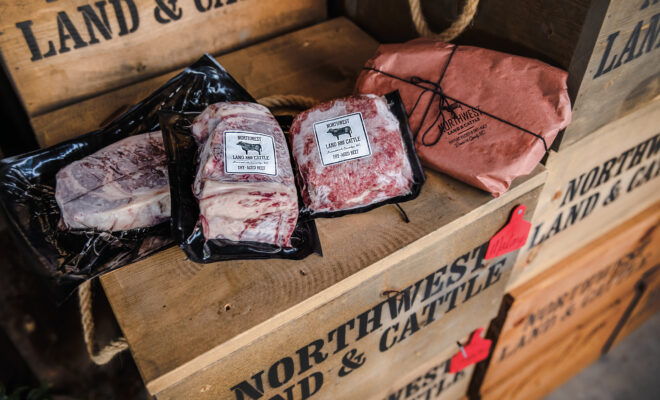
Accentuated by the pandemic, the growing trend for local foods presents new opportunities for North Carolina farms to improve profits while meeting demand.“It’s our homegrown beef,” Lamm says. “We offer pasture-raised, grain-finished beef, that’s a local product you can trust. I know what goes in the beef from birth to package, and if it’s not something I’d serve my own family, I won’t sell it.”
Every package sold reinforces the place of agriculture in their community and the state.
Heritage Fresh Market
From a fourth-generation farming family, Jody and Lauren Clemmons run Heritage Fresh Market in Brunswick County, with a flagship store in Supply and a new location in Ocean Isle Beach.
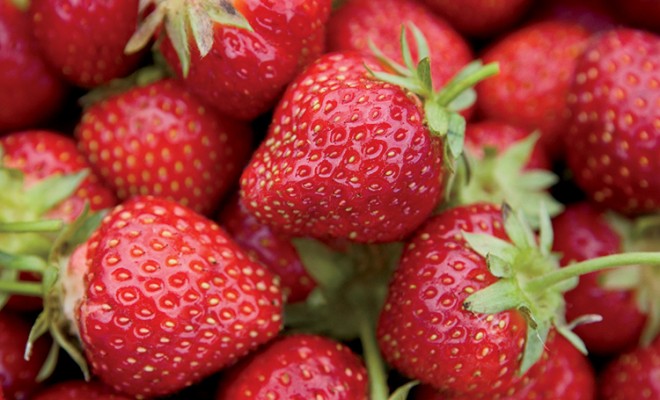
In 2019, after generations of row crop farming, Jody planted strawberries. On March 15, 2020, amid pandemic shutdowns, the fields were ready for harvest and people were ready to pick.
“People stood 6 feet apart in line at our farm in an open-air shelter,” Lauren recalls. “That’s how it all started.”
Recipes
10 Spring Recipes With Strawberries
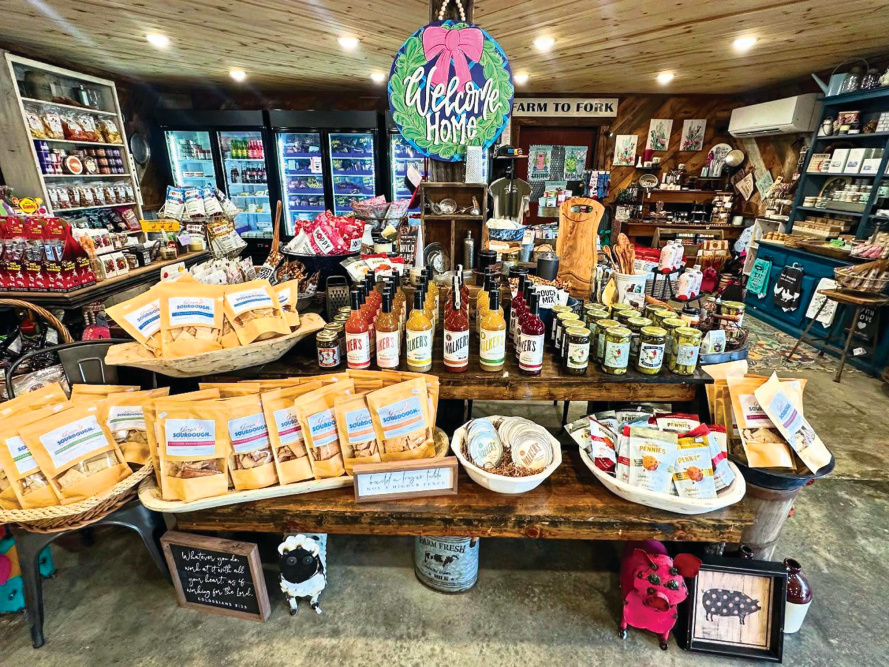
Strawberries are a springtime staple, and North Carolina grows about 20 million pounds of them each year. Here are nine of our favorite recipes with strawberries ranging from salads to sweets.Since then, the family-run market has grown. With community support, the Clemmonses offer farm-grown produce, strawberries, house-made ice cream and specialty foods – all products the family serves at their own table.
“We’re farmers first,” Lauren says. “We harvest from our fields and bring it straight to the public. We didn’t open a market and then decide to farm; we changed our farming to serve our community.”
Wester Farms
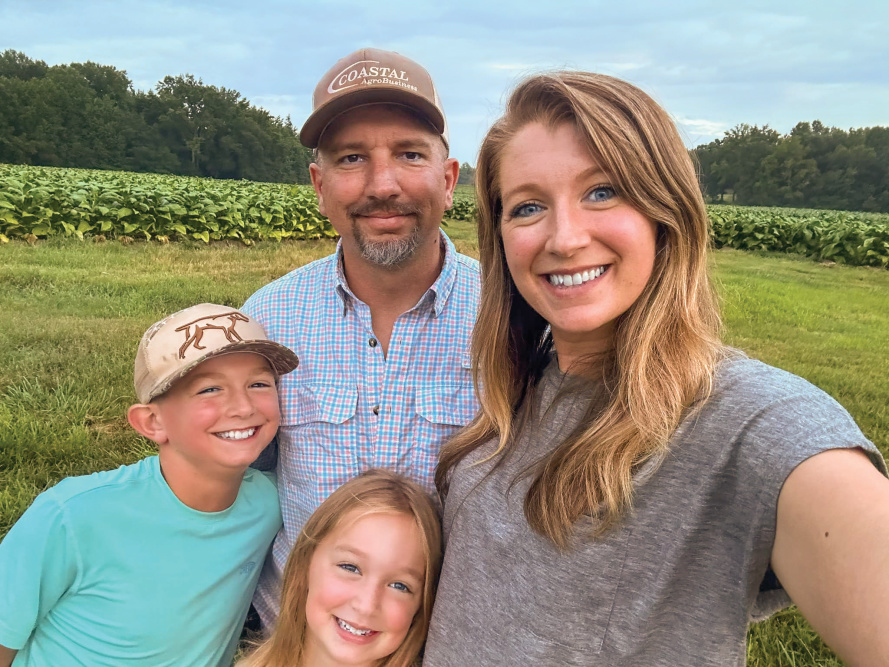
The Farmer’s Mercantile on Wester Farms in Louisburg also showcases resilience. Co-owner Natalie Farmer returned to her fourth-generation farm the day after graduating from NC State.
She and her husband, Jason, a salesman-turned-farmer, worked alongside her parents until her father passed away unexpectedly in 2020. In 2024, they faced another challenge when the farm lost 300 acres of rented land to development, a familiar reality for many of North Carolina’s farmers.
“We couldn’t farm that land anymore,” Farmer says. “But we could feed the people moving into our community and share our story that way.”
Their market – cleverly named “The Farmer’s Mercantile” – features the farm’s beef alongside North Carolina-made products, giving customers a direct connection to their food.
“When you explain the blood, sweat and tears that go into getting food on the table, it changes how they see it,” she says.
Farm
As Food Costs Climb, Farmers’ Profits Sink
Did you realize how little of the amount you pay for fresh meat, dairy products or fruits and vegetables makes its way back to farmers? The answer: about 16 cents of each dollar.J & J Greenhouse and Produce
J & J Greenhouse and Produce in Snow Camp didn’t start out as a farm market either. It was once a ceramic shop in need of a name. “We couldn’t come up with one,” says owner Vivian Jones. “My little 6-year-old said, ‘I know. J and J – the big Joneses and the little Joneses.’ Well, it stuck.”
The business eventually morphed into greenhouses and expanded to 18 structures. Then, after years of hauling plants to the Greensboro State Farmers Market every day, Jones realized something important.
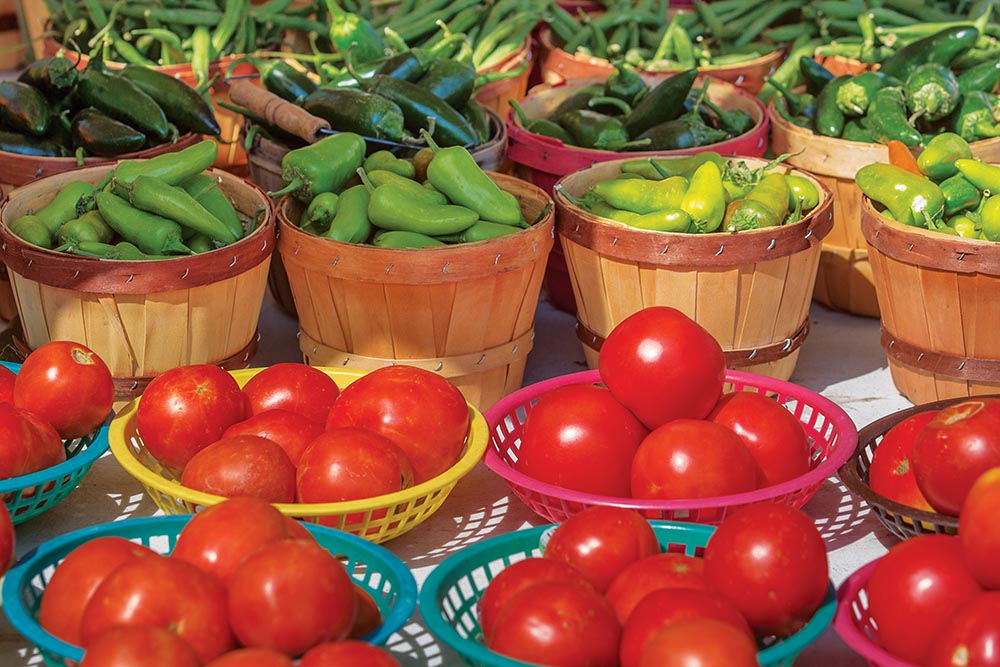
“We were losing money from our neighbors because we were going all the way to Greensboro,” she says. They opened the store in December 2011 and haven’t looked back.
Rustic displays made from apple bins, penny candy barrels, homemade jams, baked goods and locally sourced produce give the market a down-to-earth feel. “Everybody seems to like that,” Jones says. “And they keep coming back.”

Ask a Farmer
Ask a Farmer: What Has Been the Biggest Change in Farming?
We asked Randolph County farmer Faylene Whitaker about the biggest change she’s seen in farming during her lifetime.Whitaker Farms
In Climax, Whitaker Farms was founded by Faylene Whitaker and her late husband, Richard, who passed in 2023. In its 50 years of operation, it has grown into a thriving business shared by their son, daughter-in-law and grandson.
“We grow all kinds of produce and flowers, have a bakery on-site and do agritourism,” Faylene Whitaker says. “Customers can come out, have lunch, shop, get fresh produce and flowers, sit down by the pond, and have a relaxing experience.”
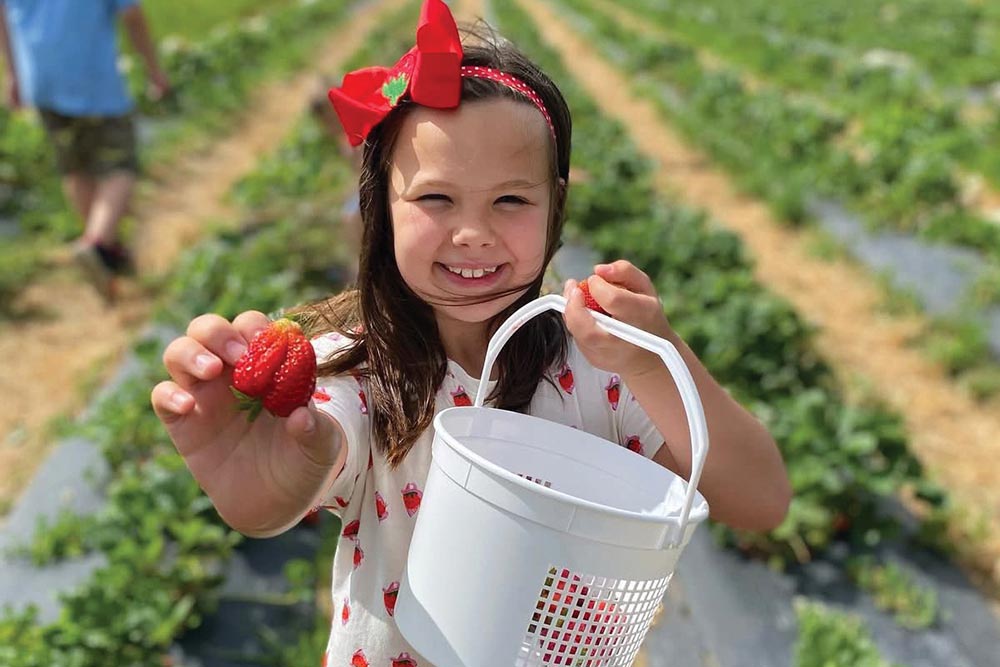
Whitaker Farms also hosts school field trips and has launched behind-the-scenes farm tours, reflecting their commitment to quality and transparency.
“We give the best product possible, and everything comes with a guarantee,” she says, hopeful about what’s next. “The next generation that’s in college is planning on coming back here and carrying on the dream. I think that’s what excites me about the future.”
As always, please call ahead to confirm hours and availability.
Heritage Fresh Market, Supply
Open Mondays through Fridays, 9 a.m. to 5:30 p.m., Saturdays 9 a.m. to 5 p.m.
910-253-1330
heritagefreshmarket.com
J & J Greenhouse and Produce, Snow Camp
Open Mondays through Saturdays, 9 a.m. to 7 p.m., Sundays 12 to 6 p.m.
336-214-2072
Southern Legacy Cattle Company, Sims
Open Saturdays 10 a.m. to 2 p.m.
910-512-3483
southernlegacycattle.com
Wester Farms, Louisburg
Open Tuesday through Friday, 9 a.m. to noon and 1 to 6 p.m., Saturdays 10 a.m. to 4 p.m.
919-853-3123
Facebook: The Farmer’s Mercantile
Instagram: @thefarmersmercantile
Whitaker Farms, Climax
Open Mondays through Fridays, 9 a.m. to 6 p.m., Saturdays 9 a.m. to 5 p.m.
336-685-4888
whitakerfarm.com