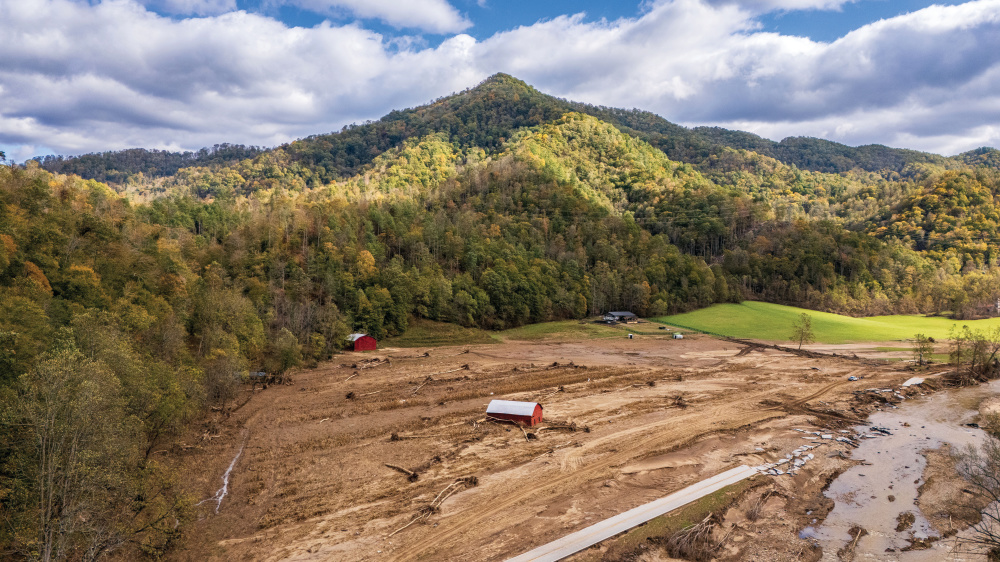
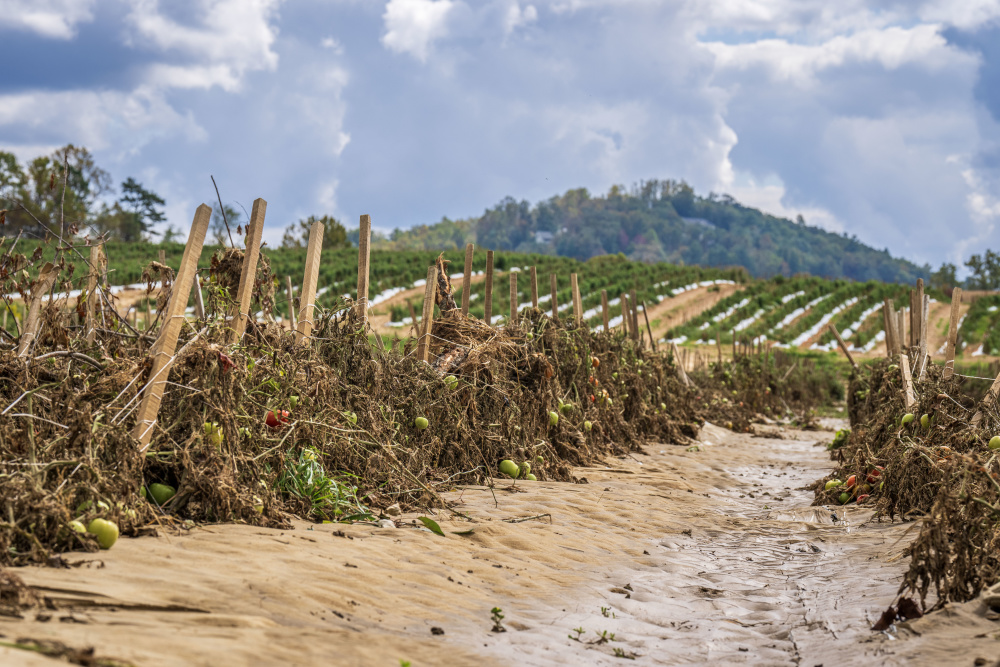
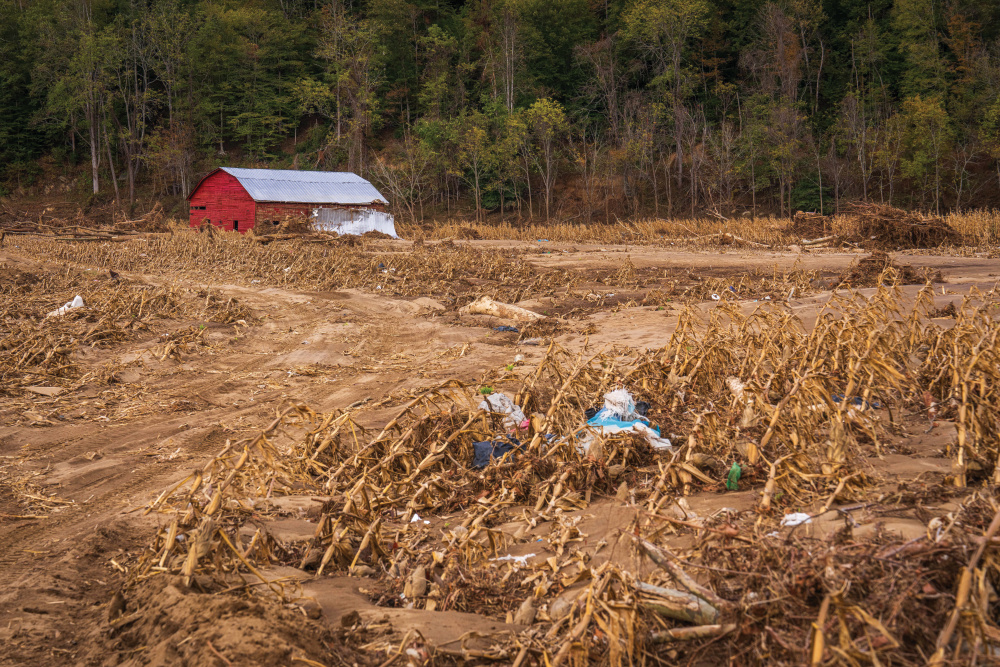
When Hurricane Helene turned inland in September 2024 and slammed the Western part of the state as a tropical storm, no one could have imagined the devastation so far from the coast. Rain, wind, tornadoes and mudslides ravaged the area, making the storm the worst natural disaster in Western North Carolina’s history.
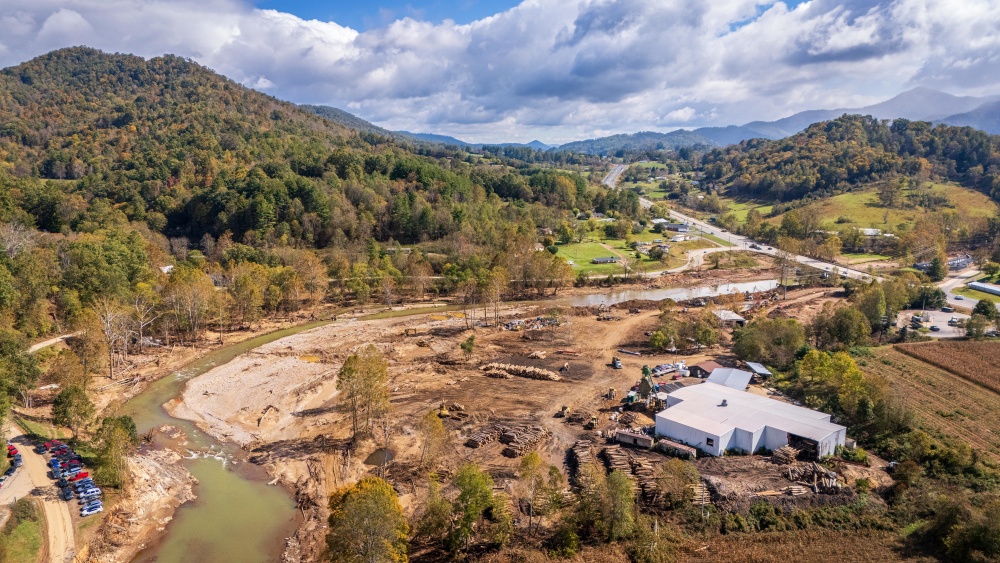
In combination with previous rain and saturated soil, the deluge caused creeks and rivers to overflow. The roaring water rushed into the valleys and towns below, hitting homes, businesses and farms, causing more than $59.6 billion worth of damage and taking more than 100 lives in the region, according to the Office of State Budget and Management. North Carolina agriculture took a direct hit of $3.9 billion.
N.C. Living
Helpers in Hurricane Relief
More than one year later, farmers reflect on the devastation as well as the message of hope that came when the waters receded.
Unexpected and Unprecedented
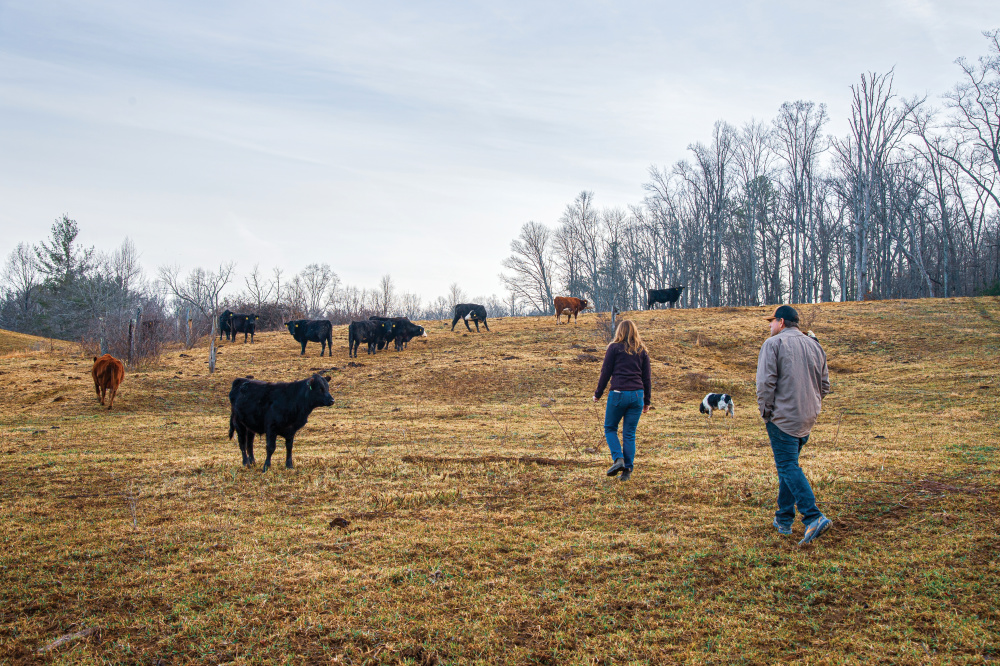
Shipley Farms, located in Vilas just a few miles from Boone, produces fresh, local beef from its herd of English heritage cattle breeds.
Gray Shipley, who co-owns the farm with his father, Bob, is the fifth generation of Shipleys to farm the land. The farm traces its roots back to Nathan Shipley, who purchased the property in 1872, and Gray’s ancestor William E. Shipley introduced Hereford farming to North Carolina in the 1890s.
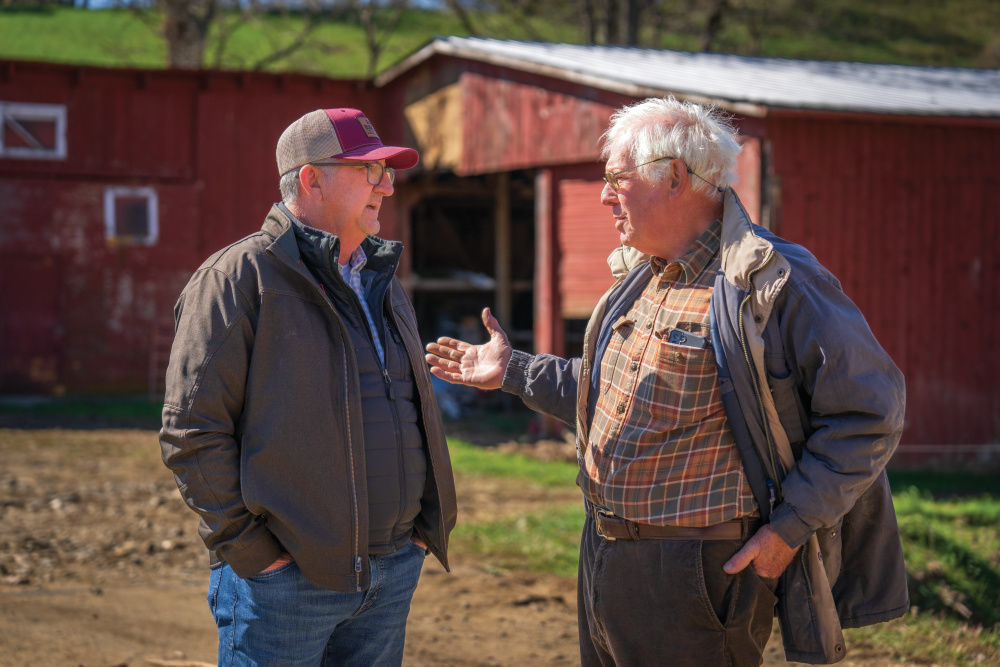
On the day of the storm, Gray just expected heavy rain. When he put on his rain gear midmorning and went down the hill from his house, the creek was rising fast and had begun to spill over.
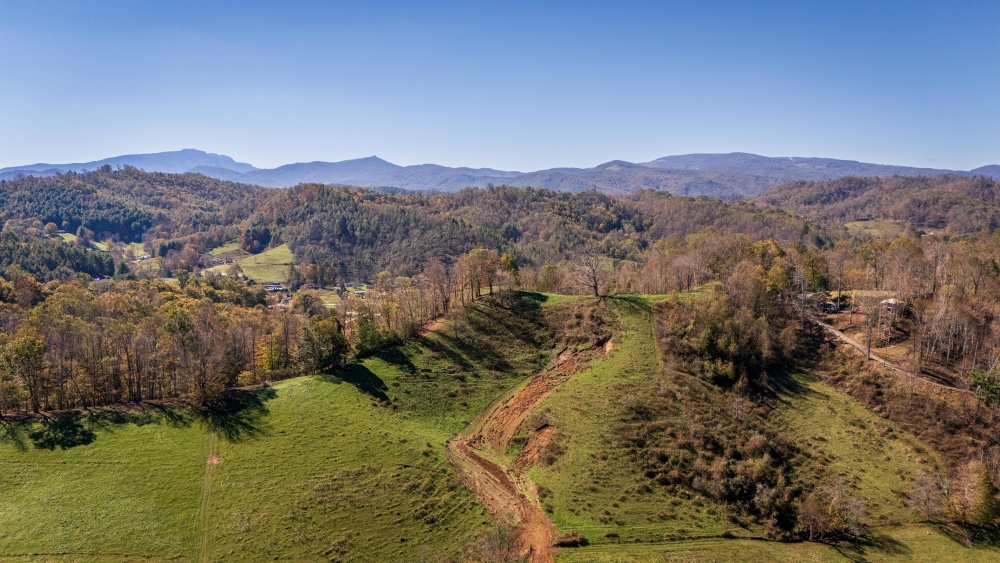
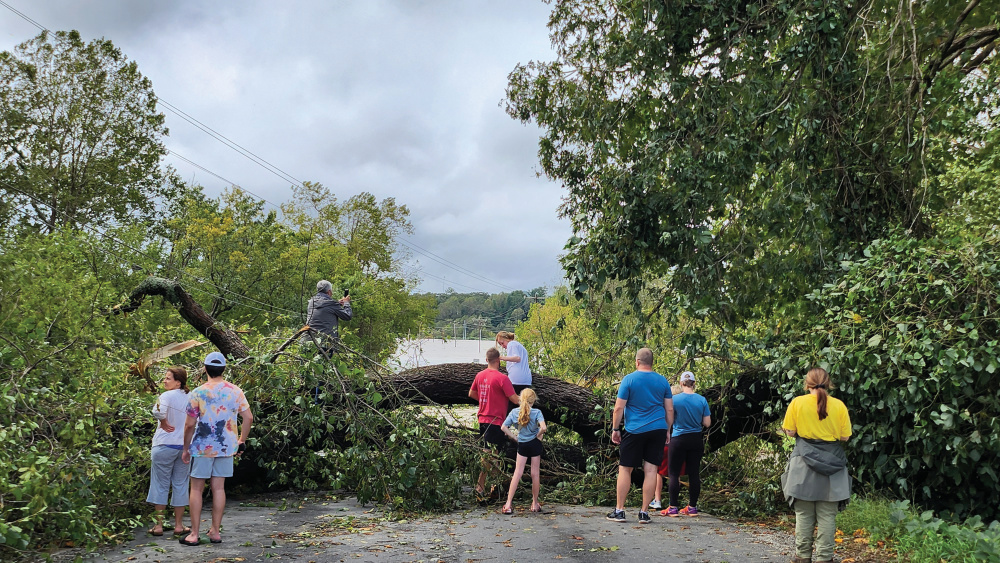
Water seeped into the office and store, housed in his grandfather’s renovated chicken house, destroying files and merchandise. Trees toppled, cutting power and communication and blocking the three roads into the valley.
Damage Details
“Once we were shut in, no one could go in and out of the valley. We had no power and no cell service. It felt like back in the 1800s – all kind of relying on each other,” Gray says. “We met more of our neighbors in a week than we had in 10 years.”
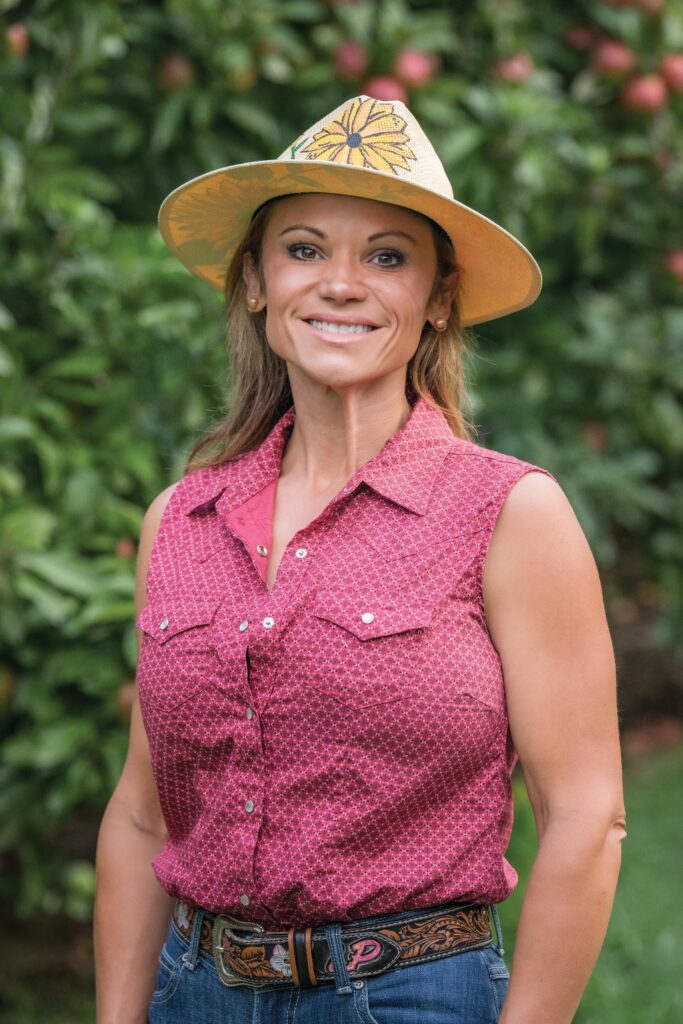
Linda Pryor farms apples, row crops, hay and cattle in Henderson and Transylvania counties. She and her family lent a neighborly hand during the surge of the storm.
“It seems like the farmers know their areas the best and have personal connections with their communities,” says Pryor. She owns Hilltop Farm WNC, LLC, with her husband, Adam, and father-in-law, Gary. “A lot of the people who were helping in the beginning and had some equipment or means to be able to do things were farmers. We had our seasonal employees on the farm at the time, and we all pitched in to help. We all put our own problems on hold and took care of those emergency situations.”
Different Dilemmas
While the Shipleys found themselves shut in by the storm and Pryor was helping her neighbors. Mike Corn manages the historic Biltmore Jersey herd and was cut off from his farm. Corn’s farm lies across the French Broad River from his home.

The Jersey herd has a rich legacy in North Carolina. In 1897, the cows were brought to the Biltmore Estate from New York by George Vanderbilt, representing the first of their kind in Western North Carolina.
Corn has managed the Biltmore herd for 41 years, and in 1998, they moved to his dairy, called Small Acres, in Mills River.
Corn says floods are not unusual in the farm’s low-lying areas near the French Broad River, but “no one alive has seen flooding of this magnitude.”
“We knew there would be floods, and we did what we could,” Corn says. “The day before, we fed the cows extra and moved dry cows to the highest lot, but we had no idea, no possible concept, that the whole valley would flood and cows would stand in water like they had to.”

Until Corn could reach the farm, his employees took the skid steer loaders to the road and hauled flood water to the milking herd in 20-bushel apple tubs. Small Acres had lost its entire corn crop, but they were able to buy corn from other farmers and use donated hay.
All Hands During Hurricane Helene
“What we had here was bad enough, but where people live in these steeper, more mountainous communities, the water gathered and had more force and velocity to it,” Corn says. “Those people were really hurt, and they are still hurt.”
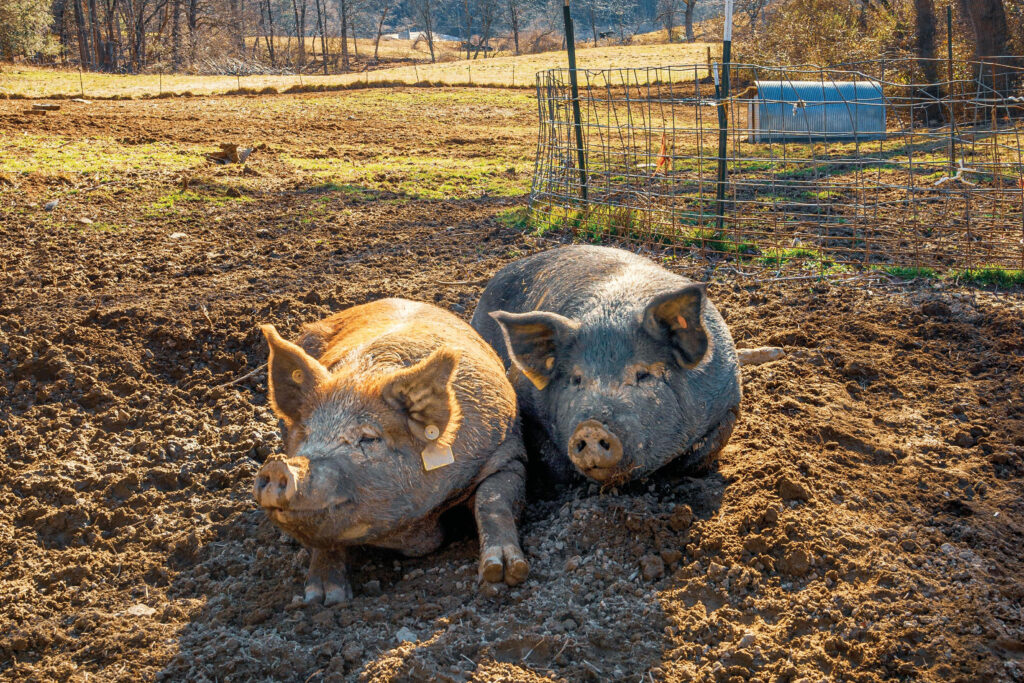
Hickory Nut Gap, located close to Asheville in Buncombe County, had plenty of food for their animals but found themselves battling 2 miles of downed fences and damaged infrastructure on their regenerative farming operation in the Cane Creek Watershed. The 90-acre family farm, owned by Jamie and Amy Ager, raises cattle, pigs and poultry.
“It was like a triage emergency room situation,” says Virginia Hamilton, head of operations at Hickory Nut Gap. “‘What’s the most important thing for us to be working on right now, what can wait, who’s available?’”
Apples Afloat
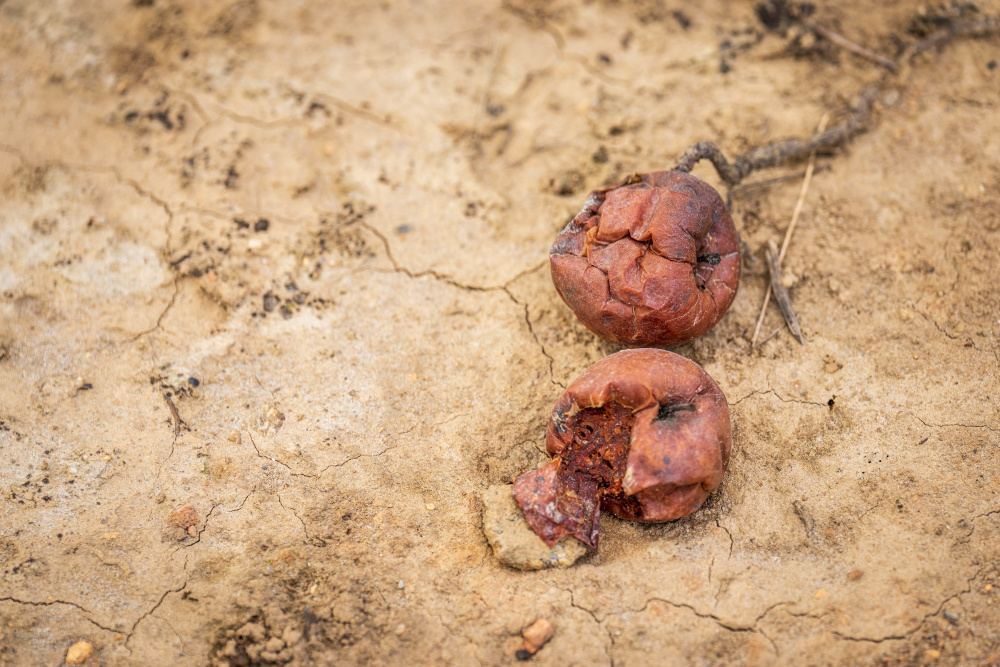
Pryor’s 1,100-acre farm was in peak apple harvest when the storm hit, and the immediate damage will impact her farm for years to come.
“We had major losses to our apple and corn harvest. Entire orchards couldn’t be harvested,” Pryor says. “If the water got up to the first branch, where any fruit was hanging, then we can’t harvest it, and the water got well past that point. We had never had that happen to us before.”
She points out that once contaminated water touches the fruit, it’s rendered unsellable due to risks of foodborne illness. At the height of apple season, the fruit and trees were unsalvageable.
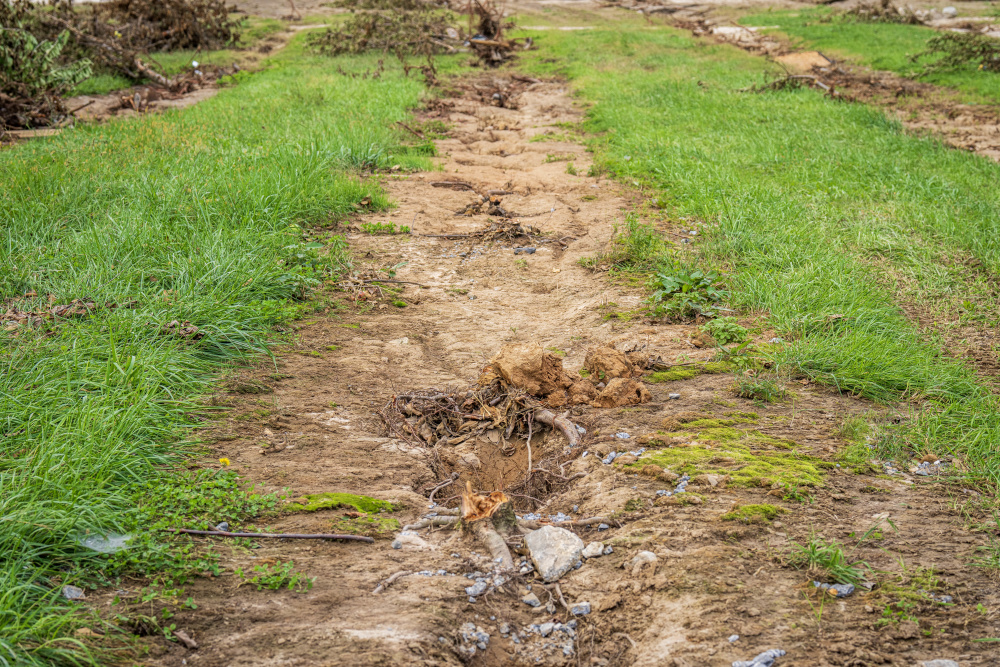
“We had a lot of tree loss, and most of that loss was entire trees uprooted,” Pryor says. “Some people had entire blocks of orchard that were washed. After the water, our problem was wind. Where it had rained so much, the ground was soft, so when the wind came, it pushed the trees down.”
Orchards that were typically 10 to 20 rows of trees could have as few as one row left after the storm. Some areas were so hard to reach and the crop was so far gone, the family didn’t get to even clean up that area until the following spring, more than six months after the initial storm.
“A lot was waiting on other areas to be restored, and it was a multistep process before we could do what we needed to do,” she says of the aftermath. “Immense amounts of debris were a huge part of the damage. We found everything that you can imagine – household items, anything that anyone would have outside, parts of homes and more outside of our flooded crops.”
After the Storm
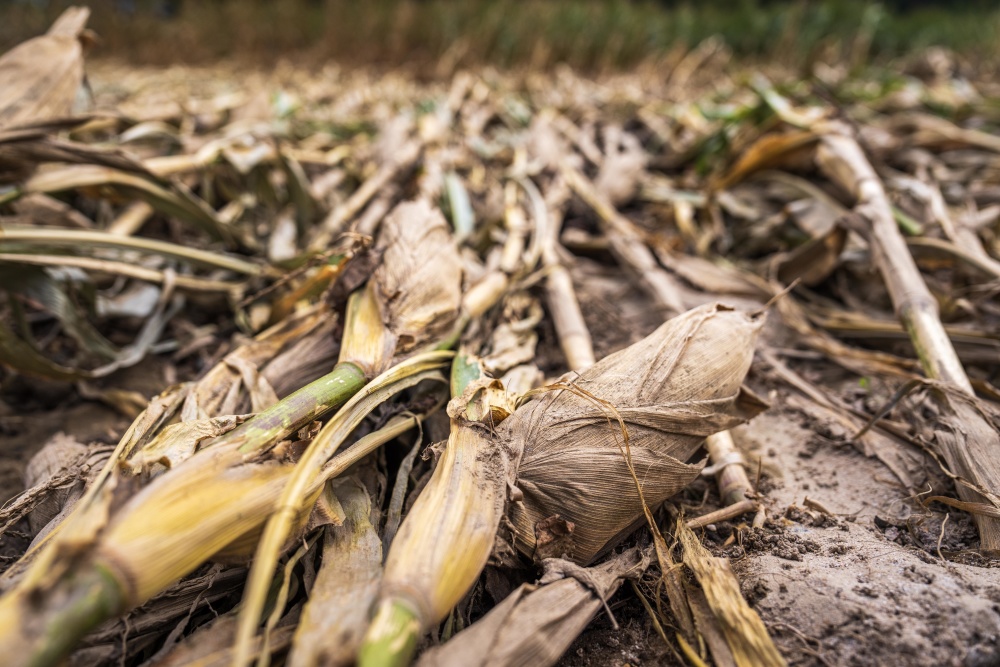
While the cleanup might be over more than one year after the storm, the ramifications are still felt. Pryor lost one-third of their corn harvest and saw damage throughout the crop, but nothing compares to the orchards, which will be impacted for many years to come.
“It’s more than just the lost orchard and lost time. For trees, you usually have to order them a year in advance. It takes about two years from planting to see any fruit. You’re going to have a couple of years before you get a steady crop from it, and several years before it’s fully productive,” Pryor says. “With any type of tree fruit, it’s the long game; it’s not like that annual crop that you plant, and you get to harvest that year.”
Losses and Gains
October is like Christmas for Hickory Nut Gap and Shipley Beef, as visitors flock to the fall foliage-rich areas on and around the Blue Ridge Parkway.
After the flood, Bob Shipley says Shipley Beef found itself redefining its business plan.
“‘How do we provide service to what was a customer, who is that customer now?’” Shipley says. “If it was tourism, the tourists weren’t coming. If it was restaurants, they were struggling then to find how to function.”
As emergency relief operations mobilized to feed those affected, they began looking for local food suppliers. Appalachian State University purchased beef from Shipley Farms, helping offset some of the lost tourism revenue. Hickory Nut Gap donated more than $50,000 in meat products that they couldn’t preserve after losing power.
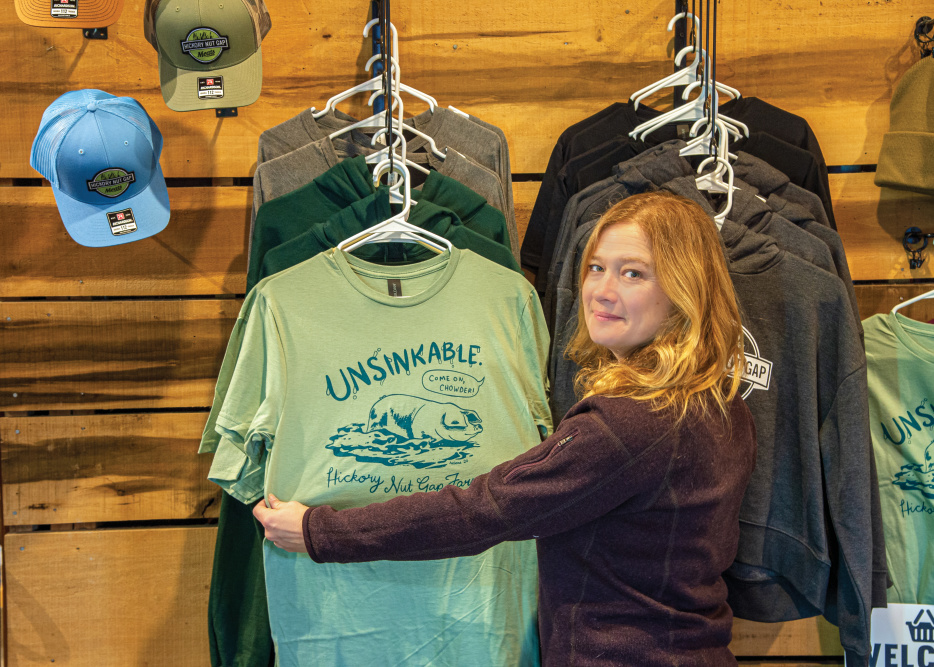
Even with the losses, they decided to go forward with a Halloween craft market, in collaboration with the Appalachian Makers Collective. Hamilton says that what Hickory Nut Gap lost in products and tourism revenue, they gained in community support.
It was those unexpected boosts – from neighbors and strangers alike – that helped each of the farms regain their footing.
“The goodness of people, demonstrated in so many ways for us on the receiving end, is probably the lasting, biggest part of the story,” Bob Shipley says.
If You Go
Hickory Nut Gap
Beef, pork and turkey
Hours: Open Wednesday through Sunday from 10 a.m. to 6 p.m.
Address: 57 Sugar Hollow Road, Fairview
Phone: 828-628-1027
Shipley Farms
Beef, pork and other locally sourced products
Address: 1699 Linville Creek Road, Vilas
Hours: Open Tuesday through Friday from 10 a.m. to 5 p.m., and Saturday from 10 a.m. to 4 p.m.
Phone: 828-484-1872
Website: shipleyfarmsbeef.com