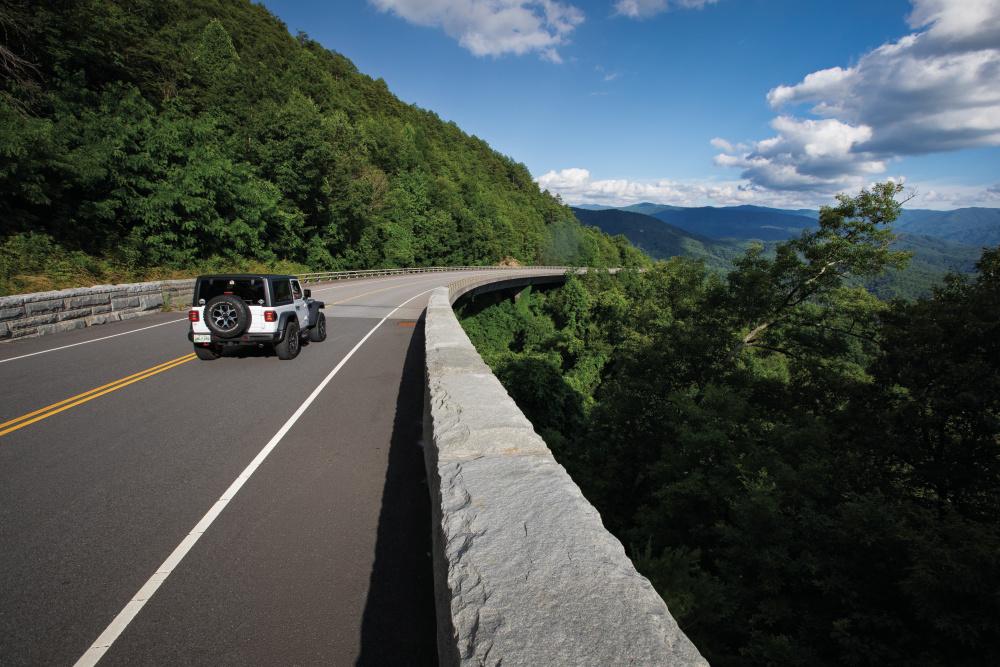
Most people are familiar with insuring their cars, trucks and motorcycles, especially since state law requires insurance to obtain a license plate for those vehicles. But some might not be as familiar with insuring other recreational-type vehicles.
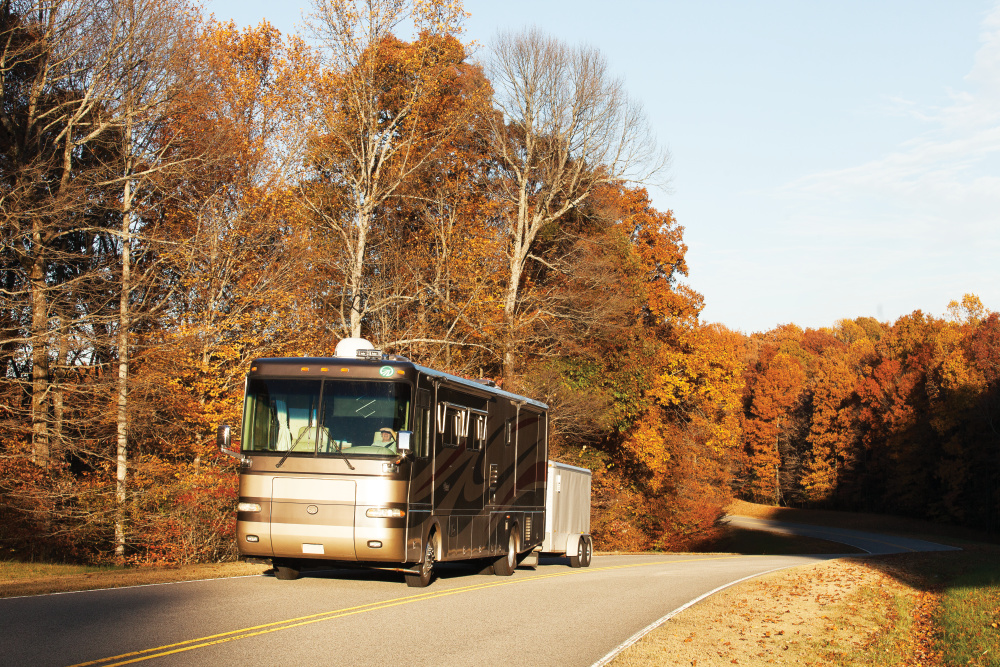
RVing has become very popular, and that has led to increased purchases of travel trailers, fifth wheels and motor homes. These types of vehicles are also required to be registered with the Division of Motor Vehicles and require license plates to be on the road. Liability coverage is usually provided by the vehicle used to pull them, so the typical coverage provided under the personal auto policy would be comprehensive and collision, along with some specialty endorsements. Motor homes are different since they are drivable, and even though they are most commonly personal-use type vehicles, they would be insured under a business auto policy (BAP).

The BAP most commonly provides liability, comprehensive and collision coverage, along with some specialty endorsements.
Other common recreational type vehicles are golf carts, all-terrain vehicles (ATVs), side by sides (UTVs) and Slingshots (autocycles). Golf carts, UTVs and Slingshots licensed for road use and registered with the NCDMV would be insured on a personal auto policy. Golf carts and UTVs would be insured very similarly to cars and trucks.
A Slingshot has fewer than four wheels and is therefore classified as a motorcycle for insurance purposes and would follow the coverage guidelines for motorcycle coverage, which does not provide comprehensive coverage. Instead, you select the specified perils coverage of fire, theft and combined additional coverage (wind/hail, earthquake, explosion, riot, aircraft, flood, external discharge or leakage of water, vandalism and malicious mischief, etc.) with the major difference involving hitting an animal falling under your collision coverage.
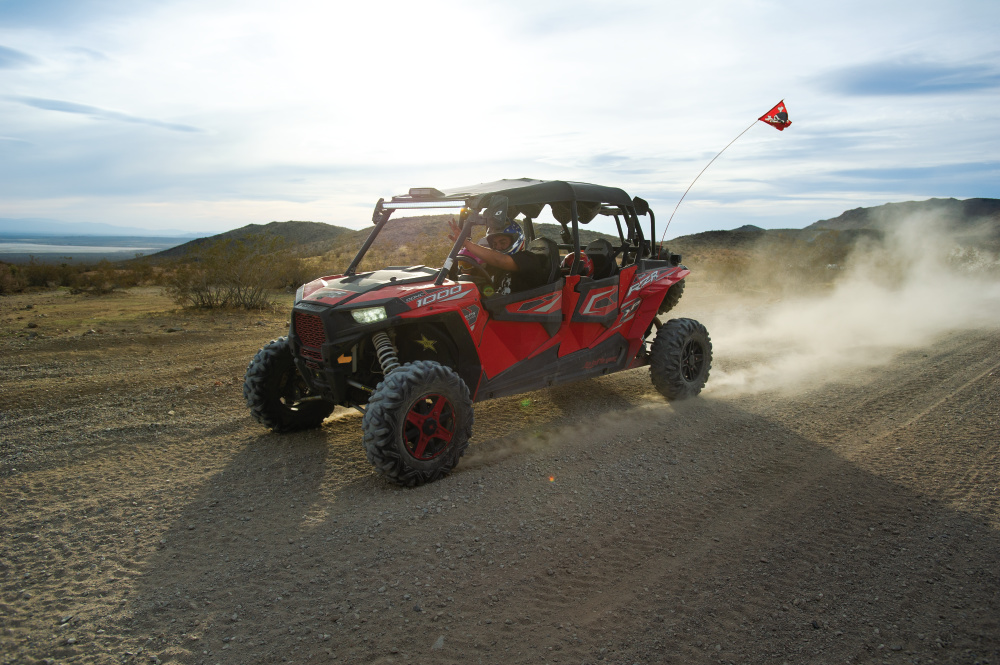
But, what if the ATV, UTV or golf cart is not licensed for road use? Then, how the vehicle is used would determine the type of policy needed, which means when these types of vehicles are used to help maintain the premises, named perils coverage might be provided under your homeowners policy. If it is used recreationally off premises, you might need an inland marine policy to provide named peril coverage.

It is important to know that if any of these vehicles are used commercially or as part of a farming operation, that might change the type of policy you need.
This article only provides a very broad overview of insuring recreational vehicles. So, before a claim occurs, I strongly suggest that you reach out to your local Farm Bureau agent for additional information to make sure you have the right policy and coverage.